crime

KN, p. 117 “Officer needs assistance!”
Arrests are rarely neat and tidy, or take place with little resistance from the suspect(s). If the charge is for a misdemeanor, too many parking tickets, or a problem with overdue child support, the suspect might cooperate. But, hardly anybody actually wants to go to jail.

If a car is seen weaving across lanes on a busy road, an officer might have cause to assume that something is wrong. Drunk driver? Distracted driver swatting at a bee in the car? Texting driver? Any of these scenarios require the officer to be on the alert, but might not require an automatic call for backup. He/she is facing what is called an Unknown Risk. The officer will follow protocol and call in the plate number or use his onboard computer to research outstanding warrants and ownership of the car. If flashing the patrol car light bar gets the driver to pull over so that the officer can investigate the reason for the odd behavior, then the stop may just end with a warning or a ticket.

Sometimes suspects are caught in the act of a committing a felony and they try to make a run for it (perhaps after a bank robbery or a drug deal goes south) hoping they can lose the cops in traffic or on deserted back roads. “Suspect fleeing the scene,” may be called in if it’s witnessed, and officers in pursuit are facing a Known Risk. It becomes a High Risk situation if guns are involved. The chase can continue beyond city limits, as long as it is an active pursuit.

Once the chase ends, the officers need to control the situation as much as possible, keeping their own position and the suspect’s position clearly in mind at all times.

Safety procedures the officers might follow if warranted:

If the chase ends during the daytime, the officer will angle the patrol cars to block off streets and people for their own protection, getting as close as possible to the suspects to control the developing situation.

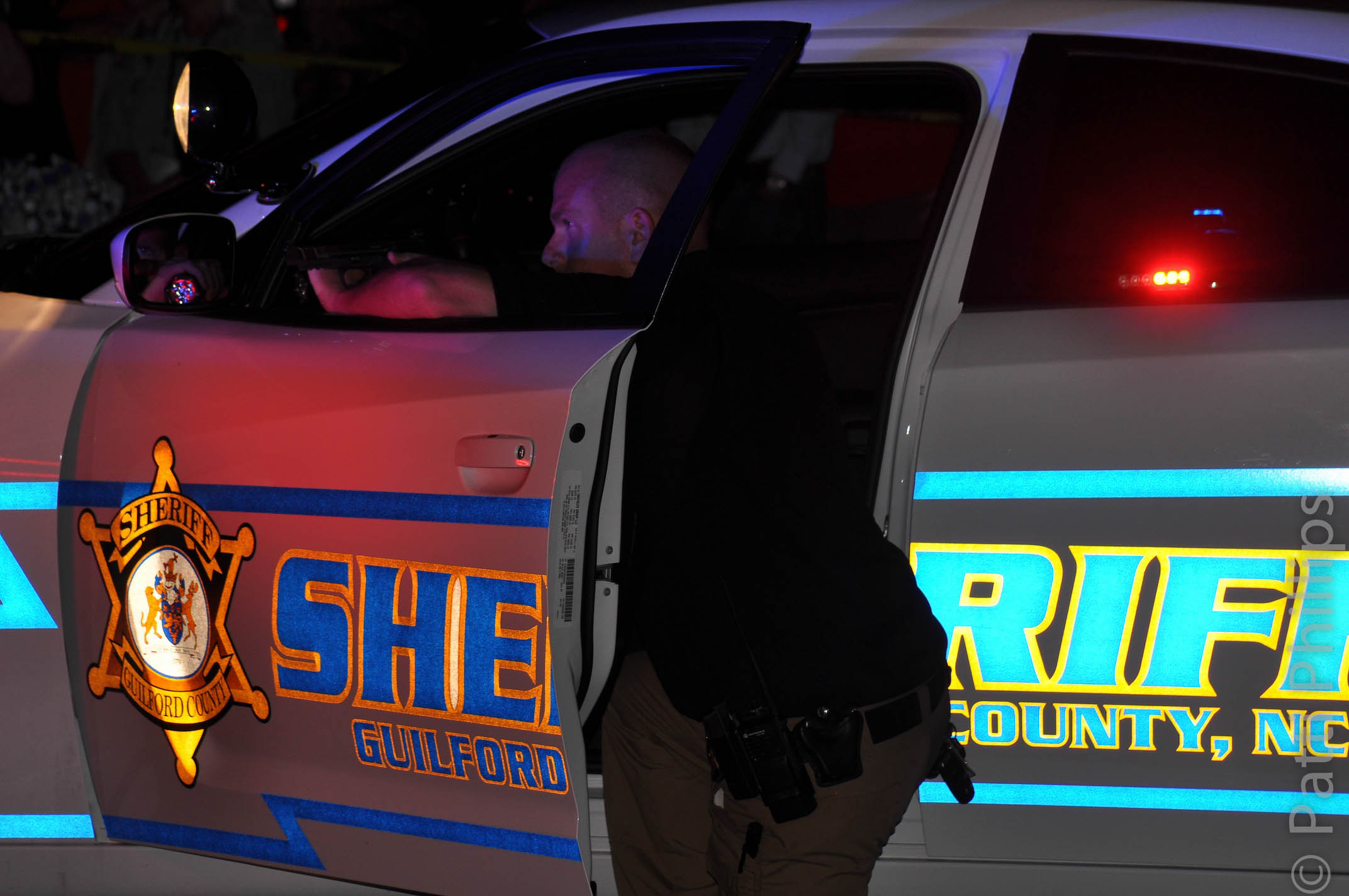
You give up cover if you are not positioned behind a door, so the officers will try to stay behind a car door while the scene unfolds. Bullets will pierce doors, but at least a car door will slow the bullet down. Hopefully, the officers will be wearing bulletproof vests, but even a notebook will slow down a bullet, although not by much. There are degrees of cover and there are very few times of absolute cover.
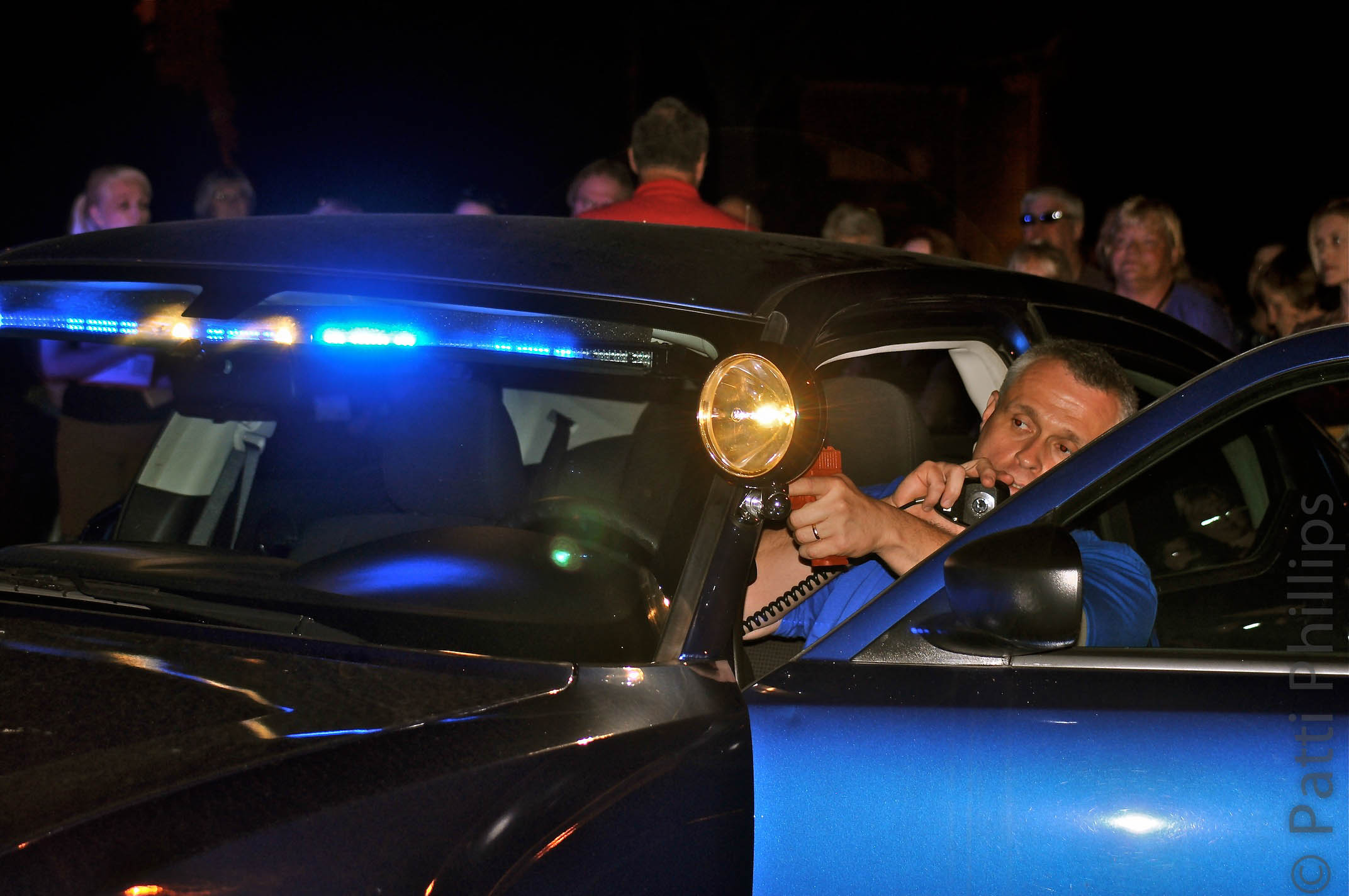
At night, the officers will create a curtain of light – that is, shine lights on the suspect’s face so that he/she can’t see the officers.
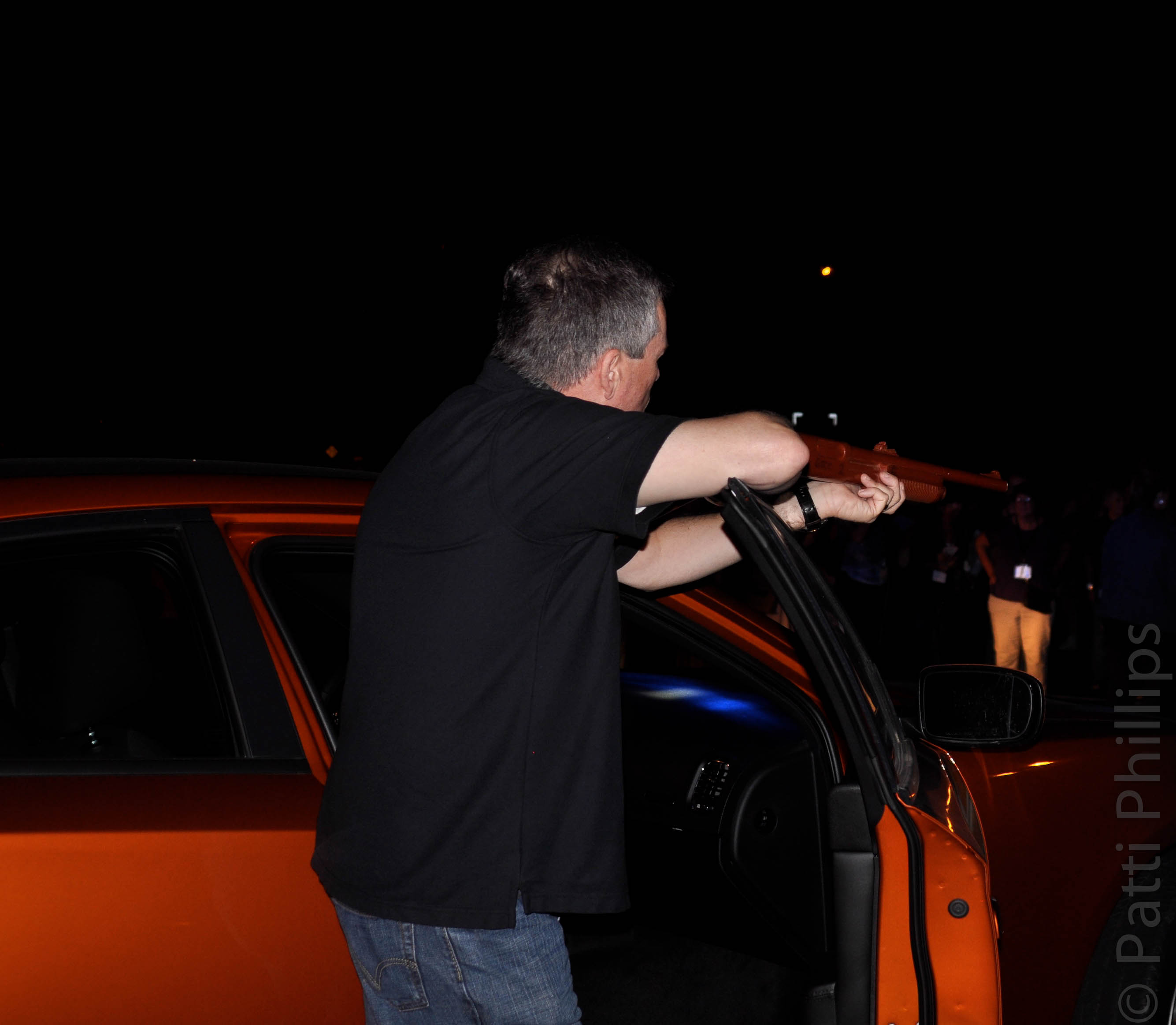
Officers in patrol cars generally carry a shotgun because it commands respect. People pretty much stop in their tracks when they hear the sound of a shotgun being racked.

It is essential to get as much information about the people inside the car as possible, before any further action is taken. If there are tinted windows in the car, the officer will try to talk the people out. If the officer can’t? Then, officers are trained to wait the suspects out. It’s usually only a matter of time before the occupants of the car will make a move.

Officers will risk the K-9s if they need to, in order to encourage the suspects to get out of the car or even to stay put.

If the officer feels the trunk needs to be investigated, he/she will have the suspect pop the trunk so that the officer maintains control.
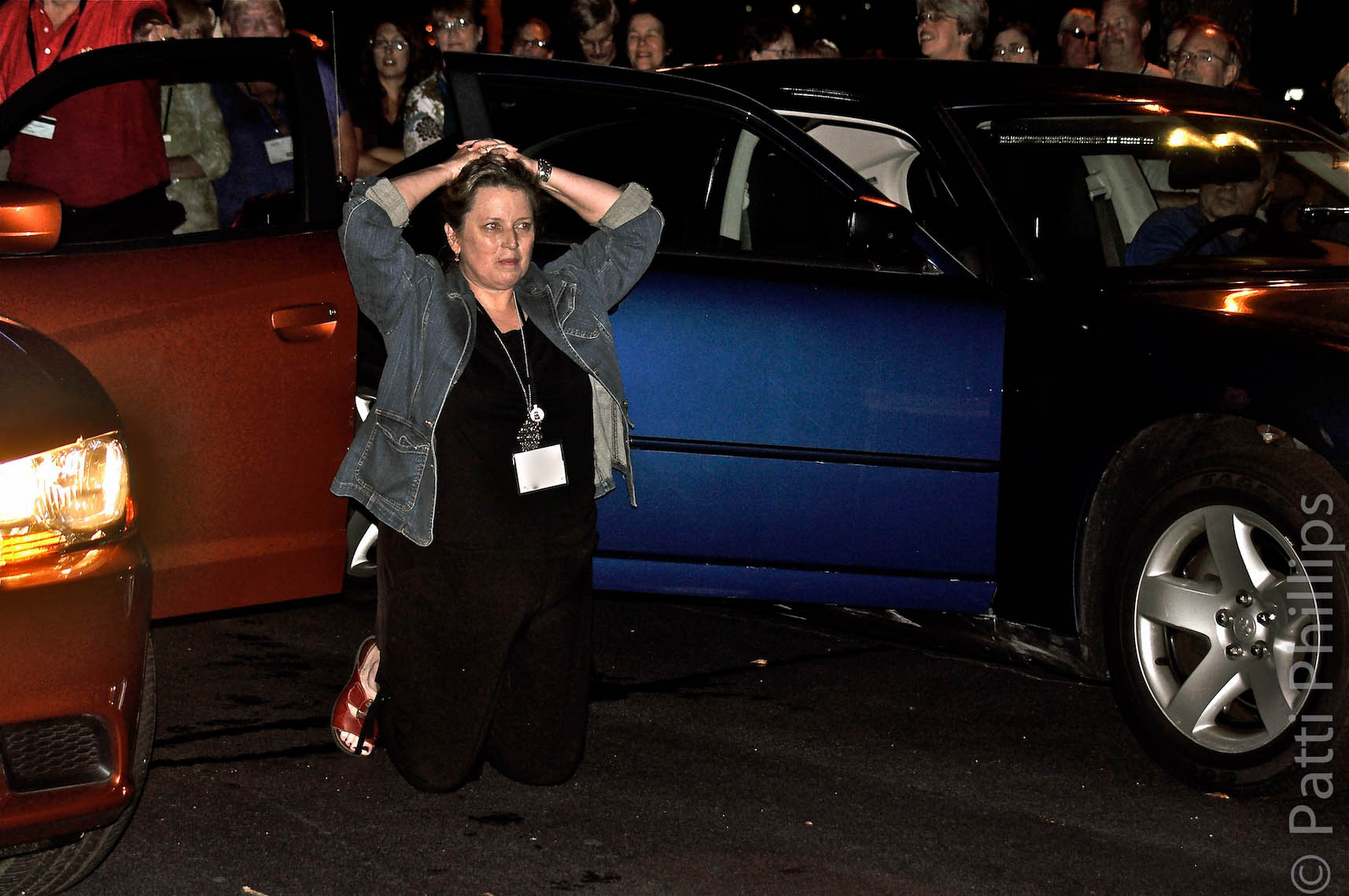
 Once the suspect gets out of the car, the officer will have him/her kneel or lie on the ground to be cuffed.
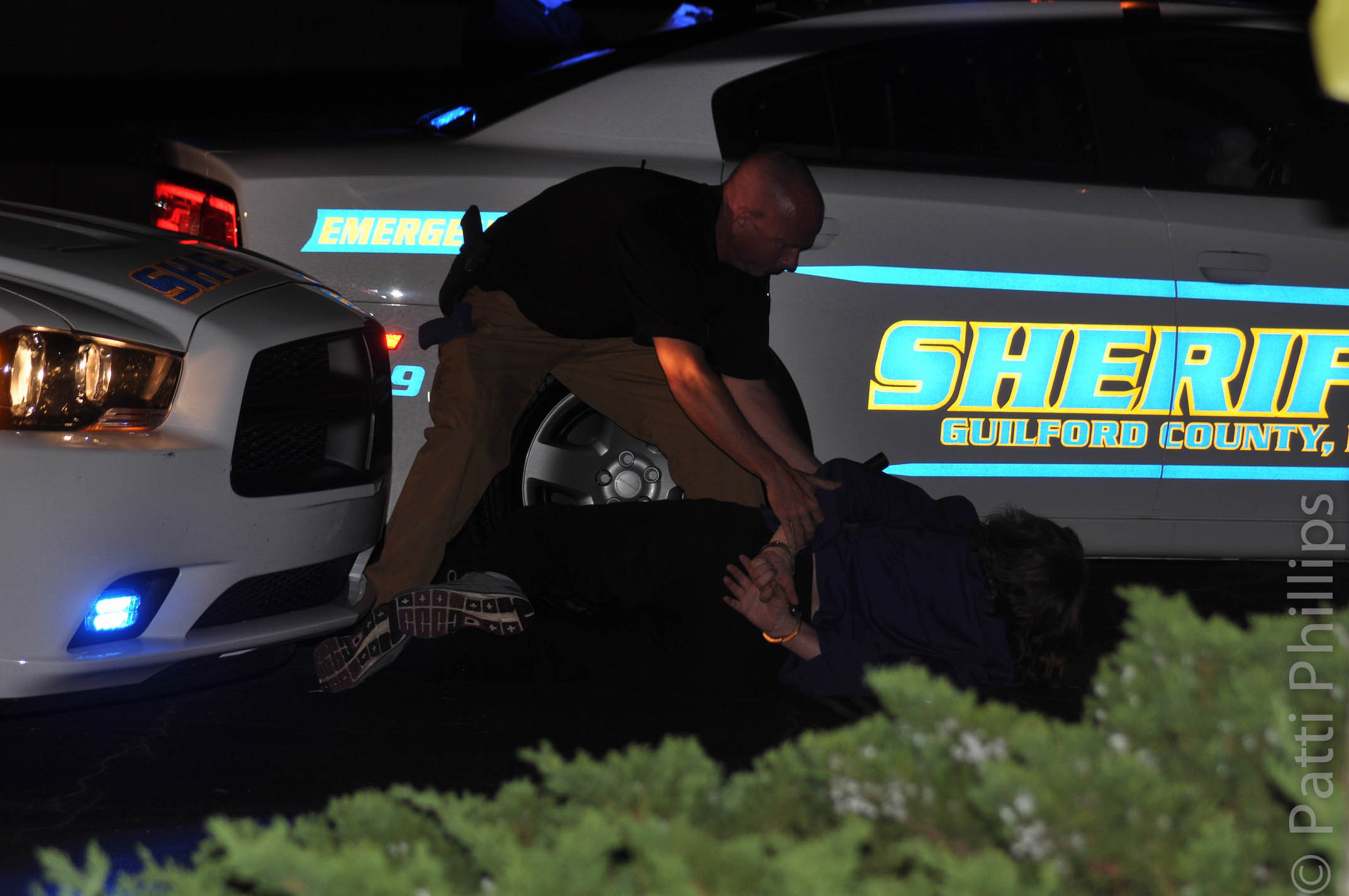
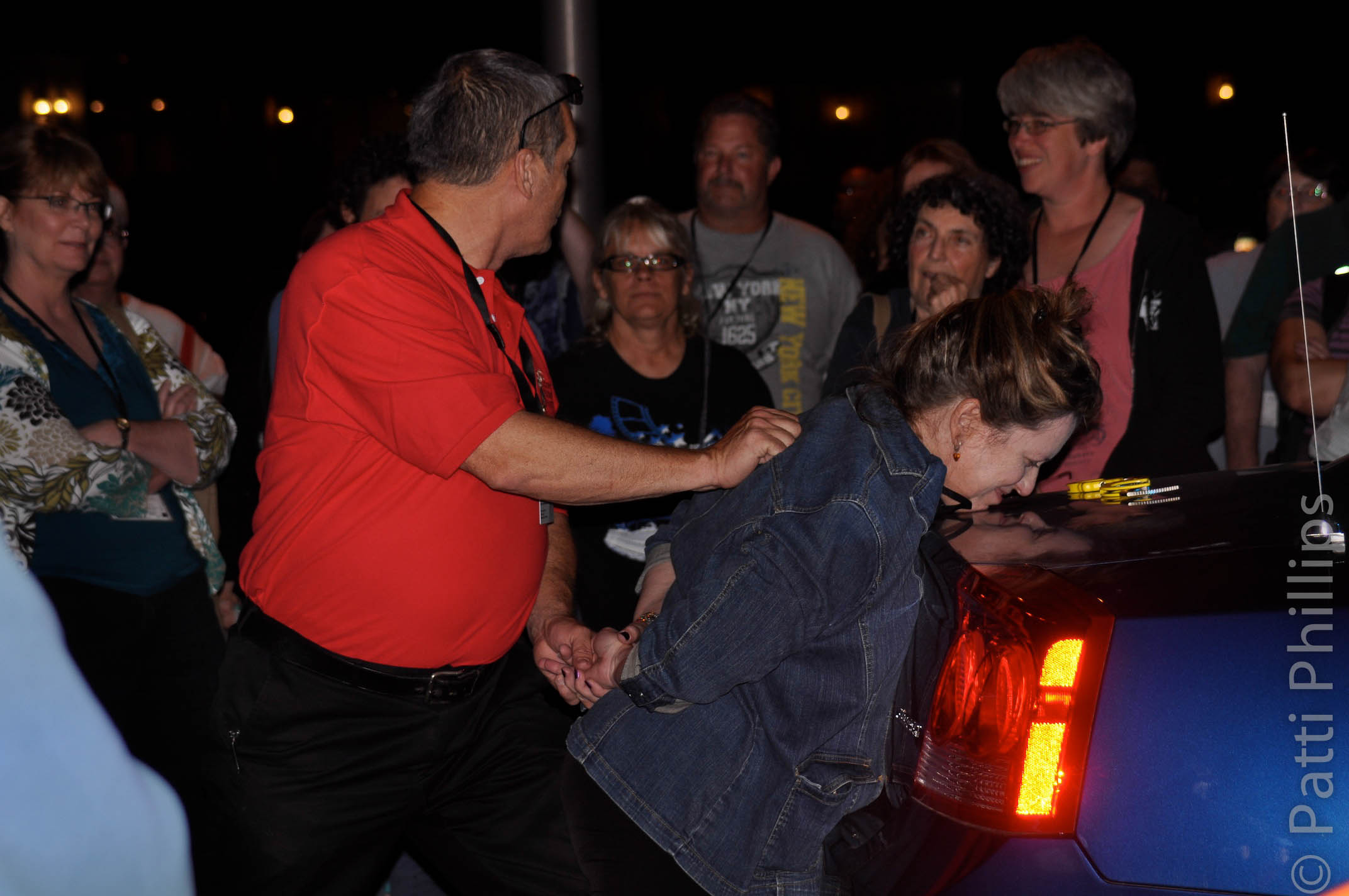
 

The suspect needs to be frisked before being placed in the patrol car.
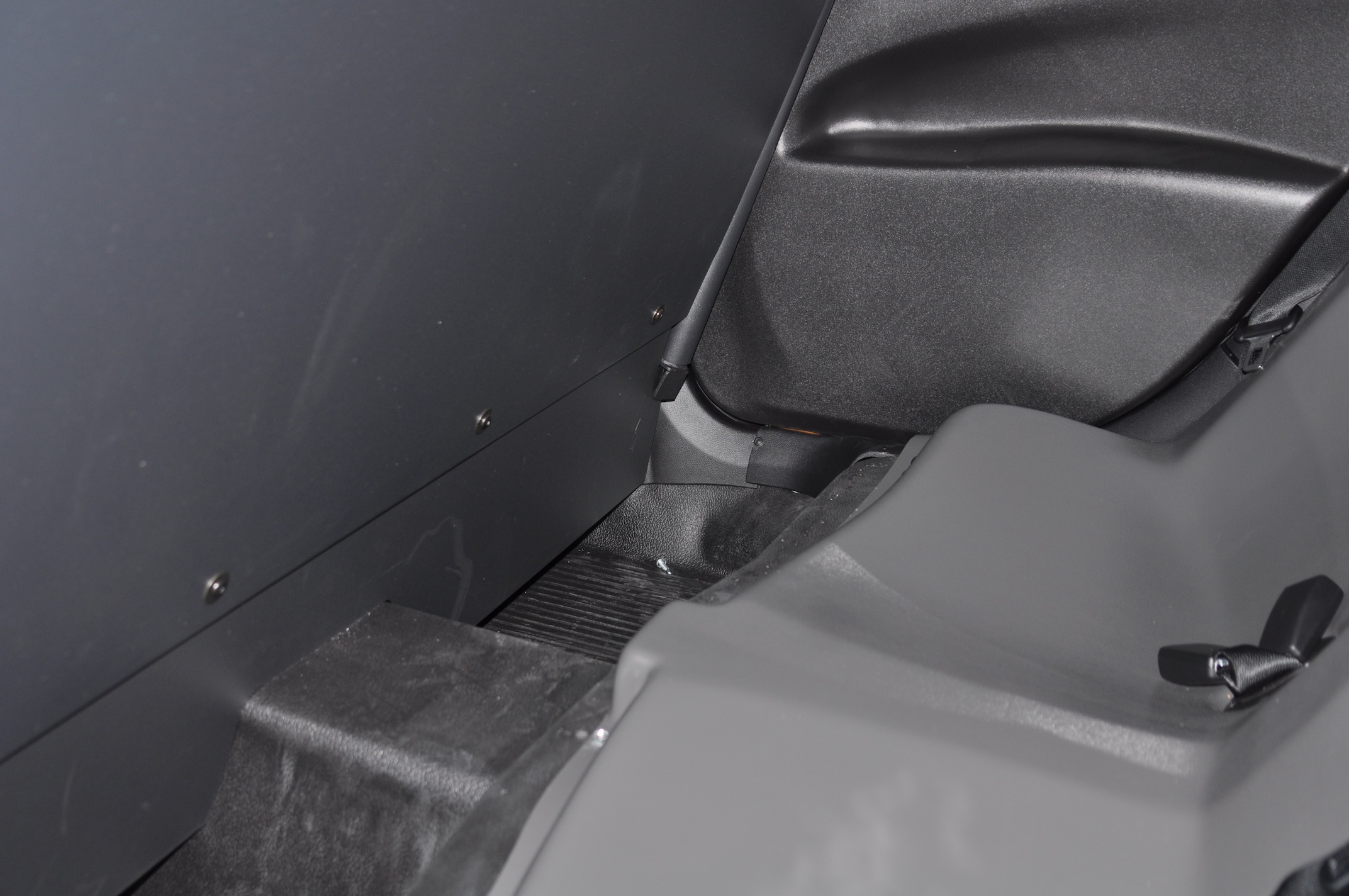
 

The inside of a patrol car is bare bones for a reason. Suspects are often sick inside the patrol car, or even go to the bathroom in there. Yup, right in the back seat. This plain design makes it easier to hose out and also cuts down on places to hide sharp objects, etc.
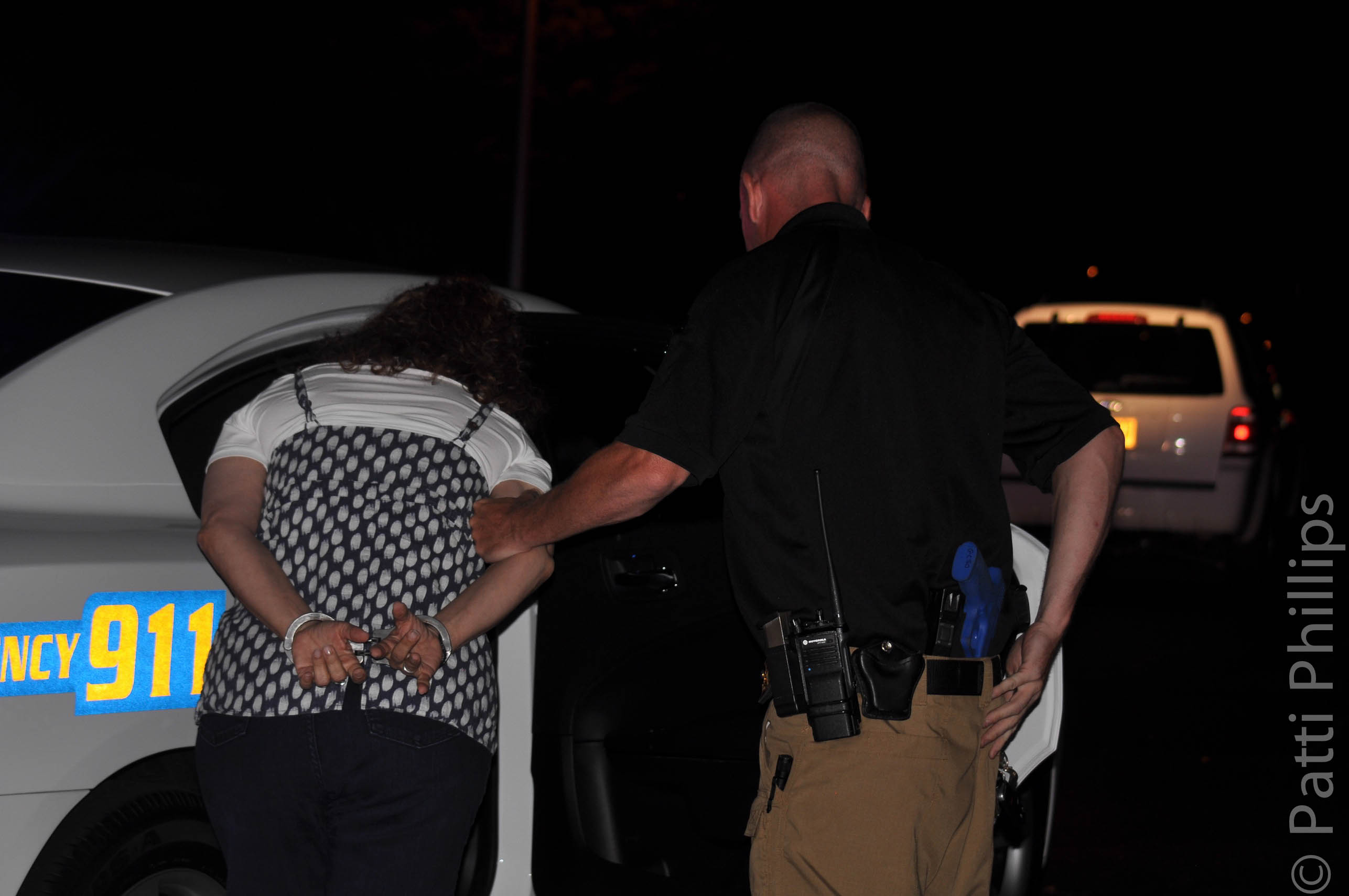
 

Once the suspects have been cuffed and frisked, the officer places them inside the patrol car.

There were no guns in the hands of the suspects in this scenario, so the situation was handled fairly easily and was resolved in about an hour.

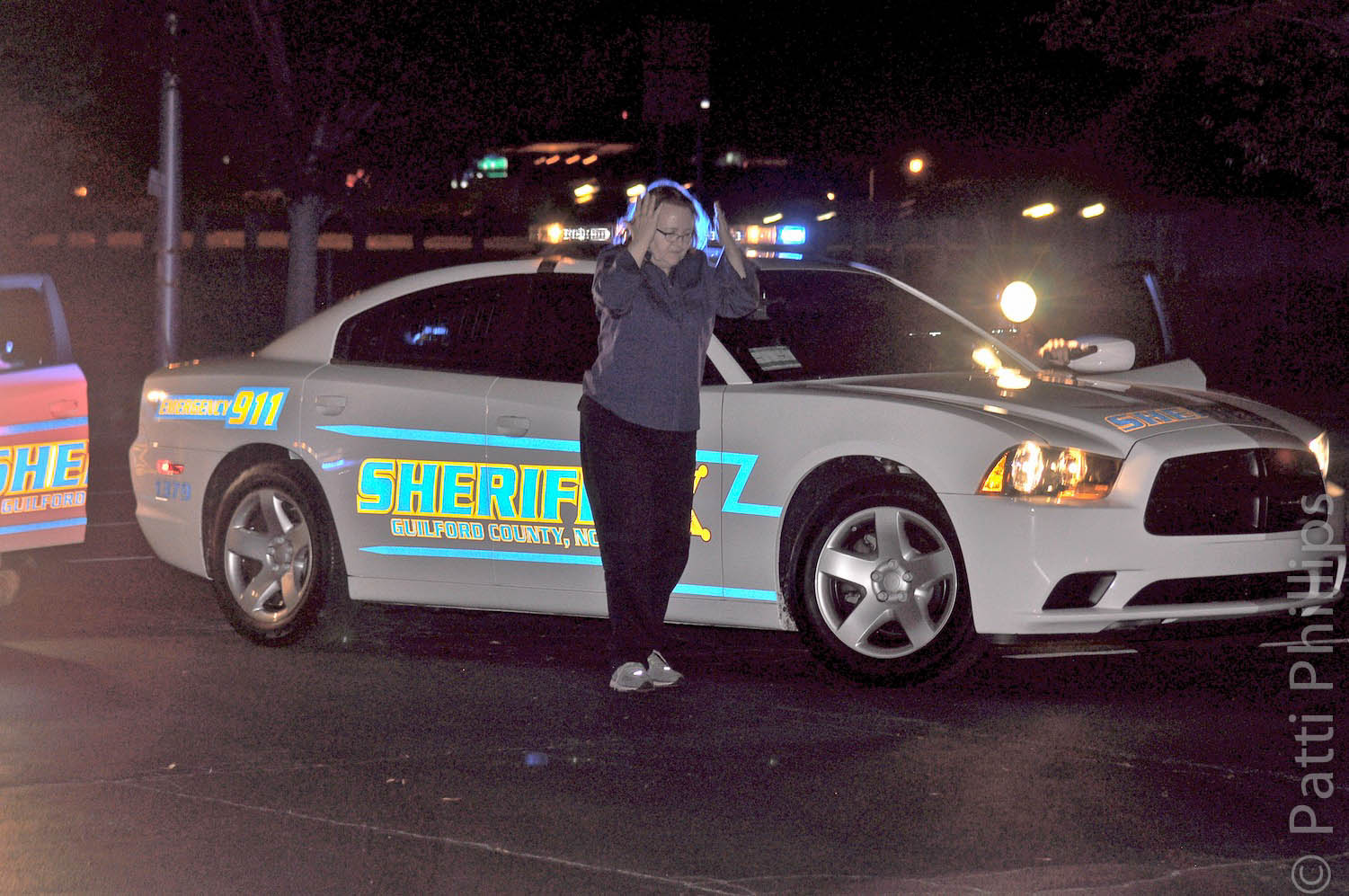
Please Note: none of the gals in the photos are criminals. They were attendees at the Writers’ Police Academy and were helping to re-enact a ‘Known Risk’ stop, complete with yelling and back-talk to the officers. Good sports, all!  🙂

Many thanks to the instructors at The Writers’ Police Academy and the volunteers from the Guilford County Sheriff’s Department (NC) who gave so generously of their time during their days off.


*Photos taken by Patti Phillips


The re-enactment was conducted at night and demonstrated how difficult it is for anyone to see what’s happening (officers or suspects) while the action unfolds. After I took the photos, I used a photo correction app to adjust the lighting, so that you could see the positions of the people and the cars.


Compare the two versions of the same image below.

#1 (the original image) shows how dark it really was outside.

#2 was adjusted so that you can see the demo.
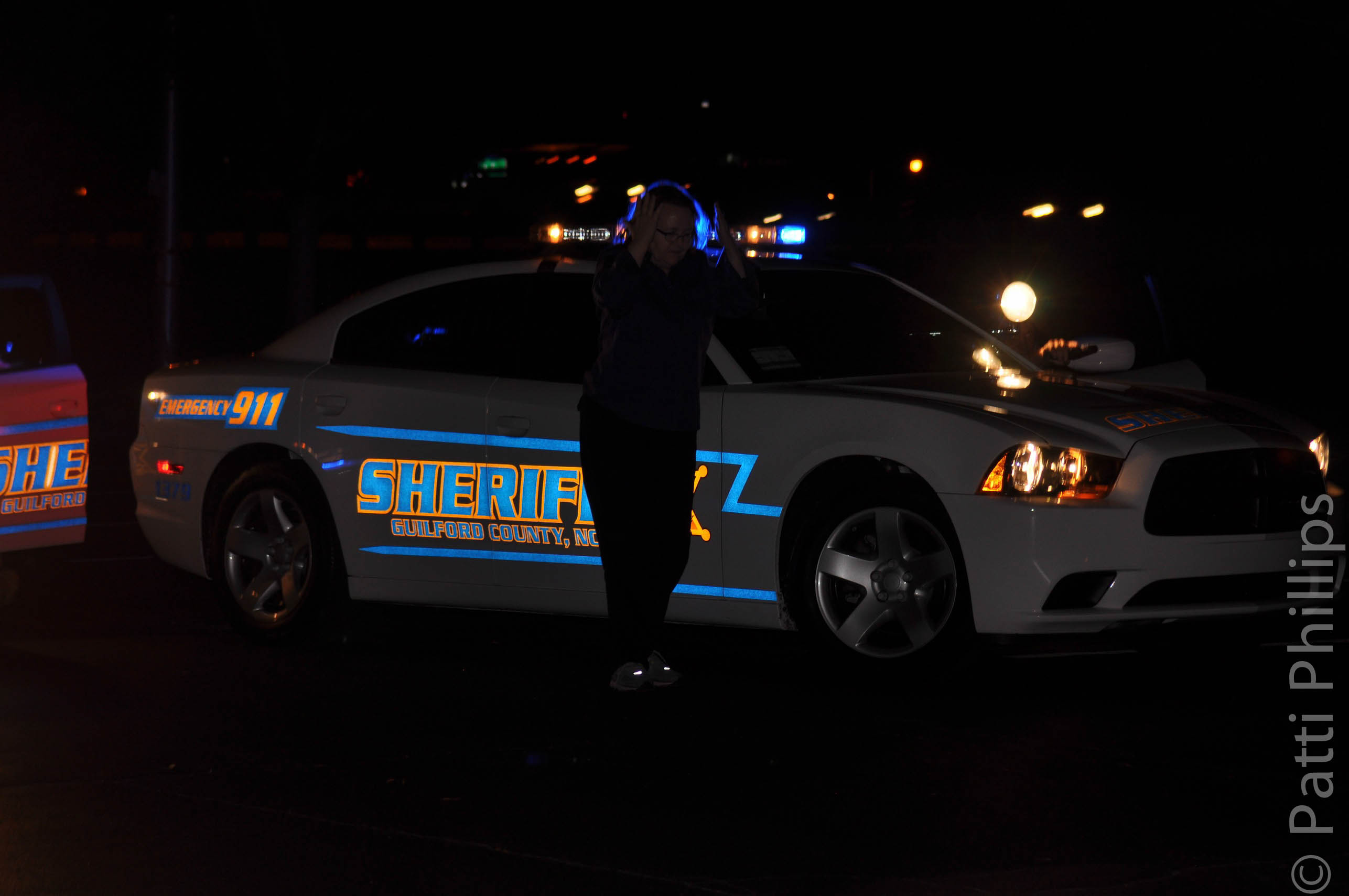


          #1                                                                                                           #2


KN, p. 117 “Officer needs assistance!” Read More »

KN, p. 168 “How do you become a US Marshal?”


USMarshalbanner.jpg

In the last post, “What does a U.S. Marshal do?” I listed quite a few of the duties that occupy the days of U.S. Marshals working in the various sections of the U.S. Marshal Service.

Part 2 of the series deals with qualifications needed to become a member of the oldest federal law enforcement agency in the United States.

First and foremost, potential candidates must be U.S. citizens and must be between the ages of 21 and 36. There are exceptions to the upper limit, but they are addressed at the time of application.

Before attending academy training, candidates must:

  • Have a bachelor’s degree, plus a year of grad school, preferably in an area of criminal justice – with at least a B average in all coursework.
  • Pass a background check – assume that it will be thorough
  • Complete interviews and various screenings – assume they will be intense
  • Be in top physical shape – not just a gym rat
  • Have at least normal vision and hearing
  • Pass the Fitness Test – see below and decide whether you could qualify to be part of the next Academy class


Minimum Fitness Standards for Men (30-39) in order to pass:

Complete 27 pushups, followed by 36 sit-ups, immediately followed by a 1.5 mile run in less than 13 minutes.

The Superior level is pegged at 51 pushups, 50 sit-ups and that same 1.5 mile completed in less than 9 minutes.


Minimum Fitness Standards for Women (30-39) in order to pass:

Complete 14 pushups, followed by 27 sit-ups, with the 1.5 miles finished in less than 16 minutes.

Reaching the Superior level requires more than 22 pushups, more than 41 sit-ups and the 1.5 mile run to be completed in less than 12 minutes.


The other age charts don’t differ all that much. Let’s face it, if 2-3 pushups more or less would make the difference in your candidacy, you probably aren’t ready yet.

If you are at the minimums when passing the Fitness Test, keep in mind that as an overall candidate, the other parts of your resume will need to be much stronger than at the minimum.

Why is it necessary to be in such good shape? The U.S. Marshals in charge of transporting prisoners or apprehending fugitives will need to work in all kinds of extreme weather conditions. The USA has both Alaska and Florida within its borders, with snowstorms, hurricanes, freezing temps as well as sweltering heat to contend with. At times, Marshals may have to wear Kevlar vests in the heat or resist an assault or run for blocks or be in confined spaces with dangerous criminals…you get the idea.

USMarshalSeal


You’ve passed the initial screening and now it’s time for you to:

  • Pass the 21 ½ week basic training program at the United States Marshals Service Training Academy.

United States Marshals Service Basic Training Academy is conducted at the Federal Law Enforcement Training Center (FLETC), in Glynco, GA. The training is tough and since it is experienced in the intense heat and humidity of the world that is Georgia (USA), potential candidates are warned that top physical condition means just that. To prepare for the intensity of the Academy training, potential candidates are warned to start hydrating weeks before setting one foot at the Center. Hydrate, hydrate, hydrate, just to stay alive in the brutal summers of the South – forget about all the intense 1 to 10 mile runs combined with workouts, climbing, obstacle courses, and sprints that are coming at unscheduled times during training.

Some of the subjects covered during training include:

  • Building entry and search
  • Computer training
  • Court security
  • Defensive tactics
  • Driver training
  • Firearms training
  • High profile trials
  • Officer survival
  • Physical conditioning
  • Prisoner search and restraint
  • Search and seizure
  • Surveillance

There are seven exams given during the 21+ weeks. Each test must be passed with a score of at least 70%. There are additional practical exams scored with a pass/fail.

The subjects covered during training are necessary knowledge that a U.S. Marshal must internalize in order to do his/her job well. Lives depend on doing that job well.


Post Academy

After successfully completing the training program and getting out into the field, U.S. Marshals are required to attend annual training sessions to maintain proficiency in certain areas or to learn new forensic techniques available.

Every six months, re-qualification is required for primary and off-duty handguns, rifles, shotguns, and perhaps submachine or semi-automatic guns if needed.

Once a year, re-qualification is required for batons and stunguns, as well as other non-lethal devices.

After seven years, the Deputy U.S. Marshals attend an advanced basic training session.

Think the training and ongoing retraining is something you could handle? From all reports, the job is an interesting one most of the time. There are reports to file, stake-outs to sit through and occasional boring parts of the work, but although sometimes dangerous, the job of a US Marshal is  essential to keep our court and judicial system running smoothly.

USMarshalBadge

For more information, please visit www.usmarshals.gov

Photo credits:

Collage of badges edited from the US Marshal website
Middle and bottom badge photos – Wikipedia


Save

KN, p. 168 “How do you become a US Marshal?” Read More »

KN, p. 162 “Fan Favorites of 2015”


TexasRangersMountedStatueIMG_3585

Kerrian’s Notebook readership was up again in 2015! Double wahoo!! More than ever, it seems as if readers and professional writers that follow the Notebook most enjoy learning about the nuts and bolts of crime as well as the crime fighters that take care of the bad guys.

The Top Ten favorites from 2015 are listed in reverse order. Click on the title to read that post.

Did your fave post of the year make the list? Let us know in the comment section below.

  1. Irish Brown Bread (p. 139)   Tasty, easy, and taste-tested by us.
  1. Murder at the Conference (p. 154)   Nefarious? Why, yes!
  1. Could you be a detective? (p. 134)   Do you have what it takes?
  1. Could you be a sniper? (p. 135)   It’s harder than just being a crack shot.
  1. What does the TSA really do? (p. 137)  It’s more than baggage handling.
  1. Is that a body under the deck? (p. 148)  The snakes were bummed that their own post (About the snakes..) didn’t make the Top Ten, but promised to keep the slithering to a minimum when they saw they had a mention in this post that did make the cut.
  1. Who are the Texas Rangers? (p. 144)  Many, many thanks to the Johnsons for their valuable insights, and years of service to the great State of Texas.
  1. What does a Texas Ranger do? (p. 145)  Soooooo much!
  1. What poisons were in Agatha Christie’s books? (p. 133)  Christie is a perennial favorite of mystery readers around the world and the poisons she used to dispatch many of the victims in her books were well researched.
  1. How to Become a Texas Ranger (p. 146) Apparently, there are either a LOT of people that are curious about the qualifications for becoming a Texas Ranger, or there will be a ton of books with Rangers as the featured characters published in the future. This post was read by more people than any other Top Ten Kerrian’s Notebook post in previous years.


To all the Kerrian’s Notebook readers all over the globe:

Your comments, reactions and enthusiastic participation through Facebook, Twitter, emails, and on the site itself, mean the world.

Many thanks for continuing to follow us as we travel around the country doing research, collecting odd stories and sharing weird facts about fires, EMS scenes, crime, and the people charged with helping the community when bad things happen.


Kerrian’s Notebook fans are the best on the planet!


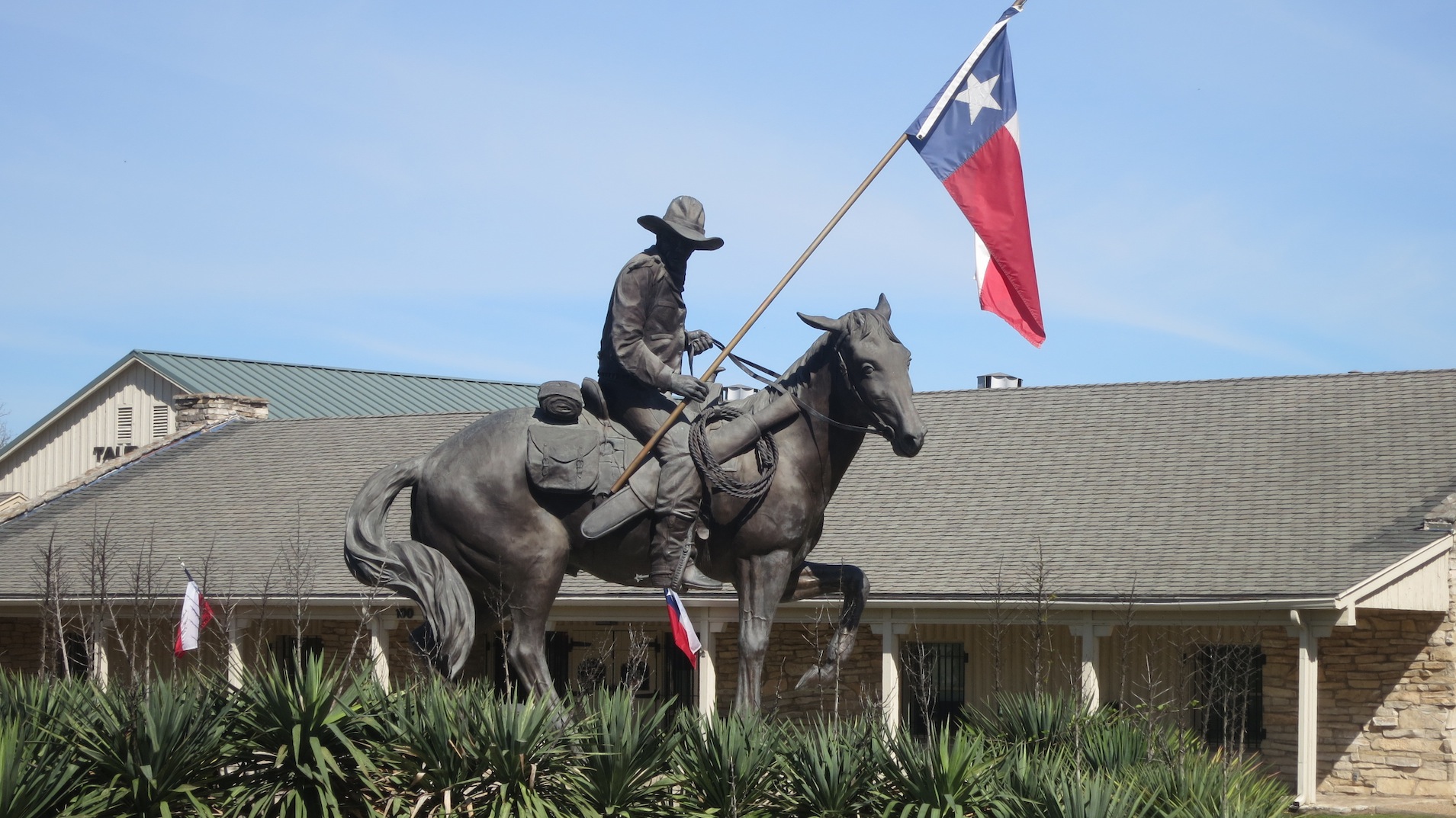
*Photo taken by Patti Phillips at the Texas Ranger Museum in Waco, Texas.


KN, p. 162 “Fan Favorites of 2015” Read More »

Scroll to Top