crime

KN, p. 97 “Crime at the Olympics”


We love to watch the Winter Olympics. Our family is full of expert skiers, so the downhill races are always a ‘must see’ for us. I could go on and on about the best kind of snow, the best temperatures, the gotta-have-it clothing and equipment, but that’s for another forum.  


Why is the 2014 Olympics at Sochi a topic for Kerrian’s Notebook? Ever since I found out that Interpol (the international police organization) is being paid $20 million dollars to oversee some of the security for the event, that’s why. My cop radar went up and I thought: Interpol? Murder? Terrorism? Nope. Turns out that Interpol will investigate the possibility of athletes taking illegal drugs, any suspected match-fixing, as well as attempts to bribe the officials. The International Olympic Committee is concerned about the integrity of the Games and Interpol, which gathers reports from national police forces around the world, will be on top of any hints of wrongdoing in those areas.


So, who is taking care of the security for the athletes? The Russian security forces, with some help from the competing countries. They are in full view and quite comforting to people nervous about attacks from terrorist cells. The host country always has primary responsibility for security, but each participating country provides some additional support. The United States teams will be accompanied to each of the venues by diplomatic security personnel. I just heard that there will be two U.S. ships in the Black Sea during the Games, should they be needed.


Many families of competitors are staying home because of fear that security will be less than hoped for outside the Olympic venue and some of the countries are telling their athletes to stay away from downtown Sochi. The USA team has been advised not to wear their uniforms outside the Village, for fear of being targeted by terrorists. But the perimeter of the Olympic Village where the majority of the athletes stay is guarded by a combined police/army/agents presence of about 100,000.


The high profile crimes are pretty much covered by the agencies overseeing the Games, but it’s the petty crimes that are most likely to be forgotten about by visitors and athletes alike. Large crowds all over the world are targets for pickpockets, and it just takes a slight adjustment in the daily routine to keep theft from happening. Simple steps to take:

1. Try to wear jackets with zipper pockets and keep your valuables safely zipped out of sight.

2. Don’t put your wallet in your back pocket.

3. Gals, don’t carry a pocketbook.

4. Don’t flash your room keys. They usually identify what hotel you’re staying in along with the room number.

5. Travel in twos or more.

6. Don’t flash wads of cash.

7. Stay sober.


Most of the competing athletes have already been at the site for a week or two, prepping and training and getting used to the venue. The body needs to adjust to food and weather differences before major competitions and this is also the time when problems with the snow and ice surfaces can be detected and corrected.

The opening ceremony for the 2014 Winter Olympics will be held on February 7th even though competition actually begins on the 6th. There’s a nine hour time difference between the USA east coast and Sochi, so many of the events will be broadcast-delayed in order to satisfy the viewing audience.


For additional information about security and safety at the Games, see:

http://globalnews.ca/news/1117446/interpol-to-help-sniff-out-crime-at-olympics/

*Kerrian is a fictional character, but the Olympics and security measures being taken are fact.

KN, p. 97 “Crime at the Olympics” Read More »

KN, p. 71 “Whose fingerprint is that?”

I watched one of the CSI NY television episodes last Friday and was struck, yet again, by the Hollywood look of their crime labs. I like the show because of the actors and some of the cases, but as I’ve said before, TV sets and real life investigations bear little resemblance to each other – not in time, or equipment, or budgets. But, the viewing public expects the local police departments to have all that equipment readily available and is upset with the super long wait for results. It’s called the ‘CSI-effect’ and the guys and gals in real-life law enforcement have to deal with it all the time.

In the real world, investigators and examiners prove a case against the possible suspects using proper evidence collection techniques and tools, with hard work – not flash results in 50 minutes.

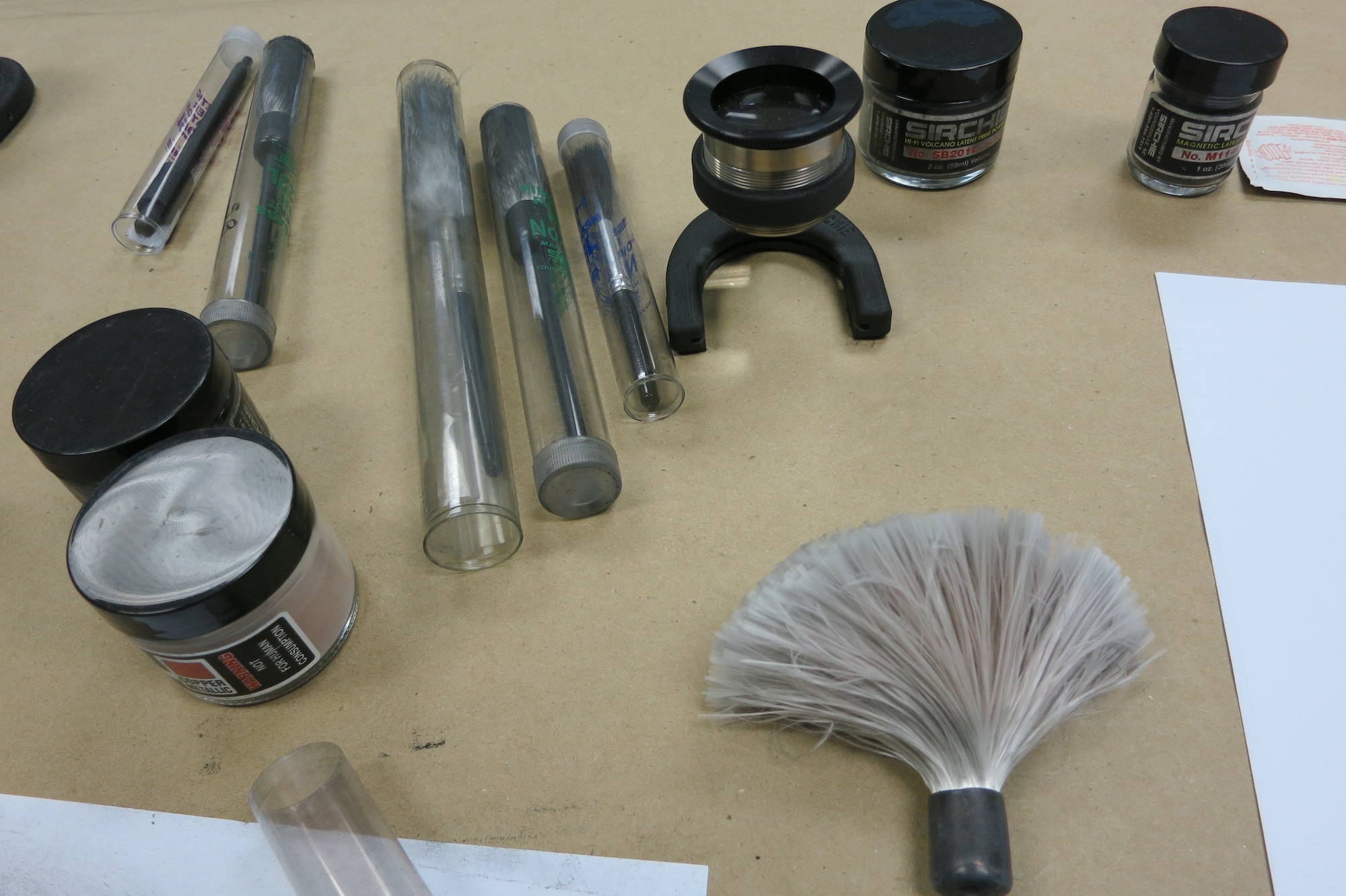
Fingerprint powders, brushes and magnifier

Fingerprints found at the scene are still the favored piece of evidence tying the suspect to the crime. These days, using a combination of ingenuity and newly developed chemicals and powders, a crime scene investigator can lift (and/or photograph) prints from many previously challenging surfaces.

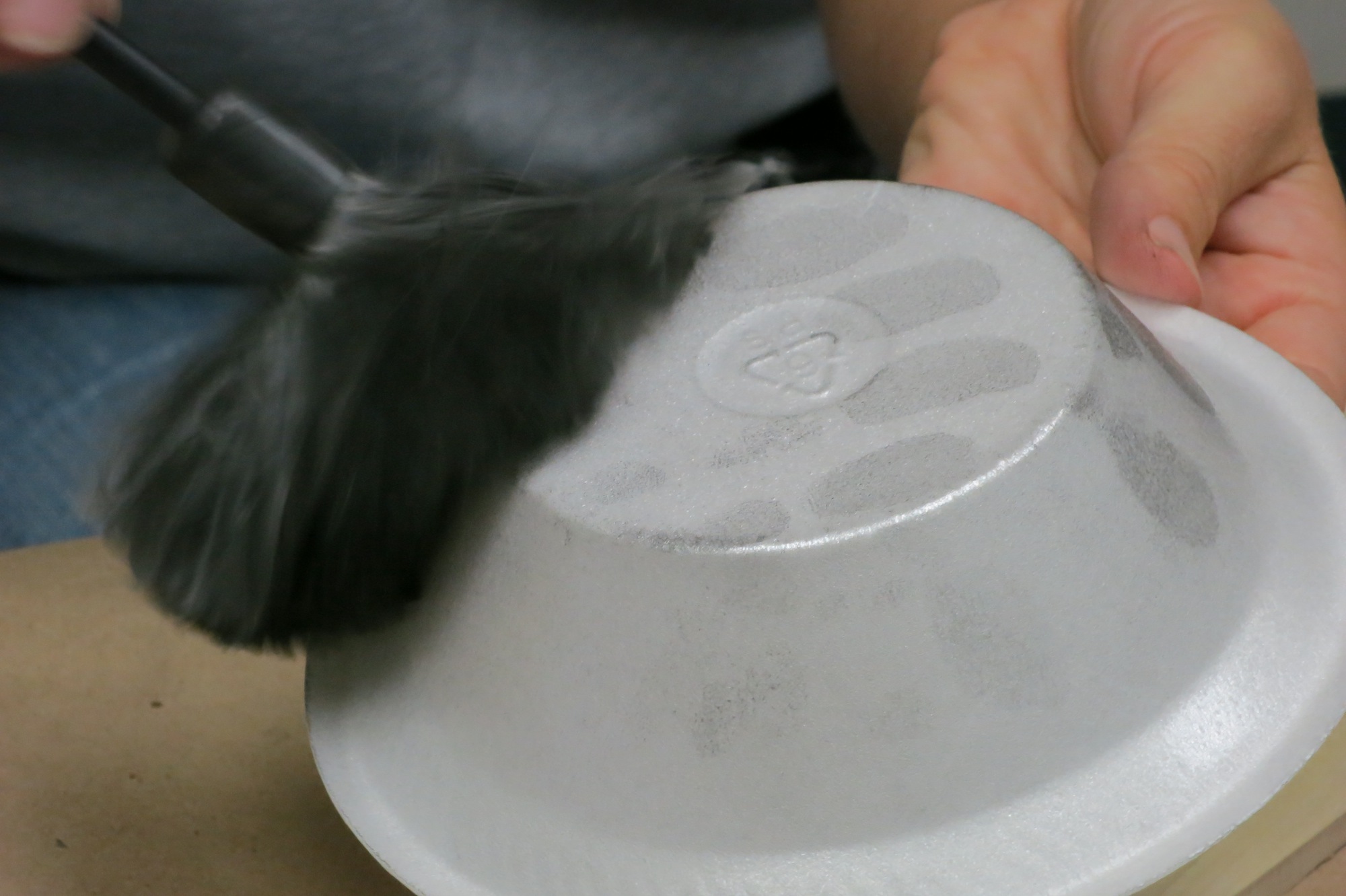
After dusting for prints with black fingerprint powder,

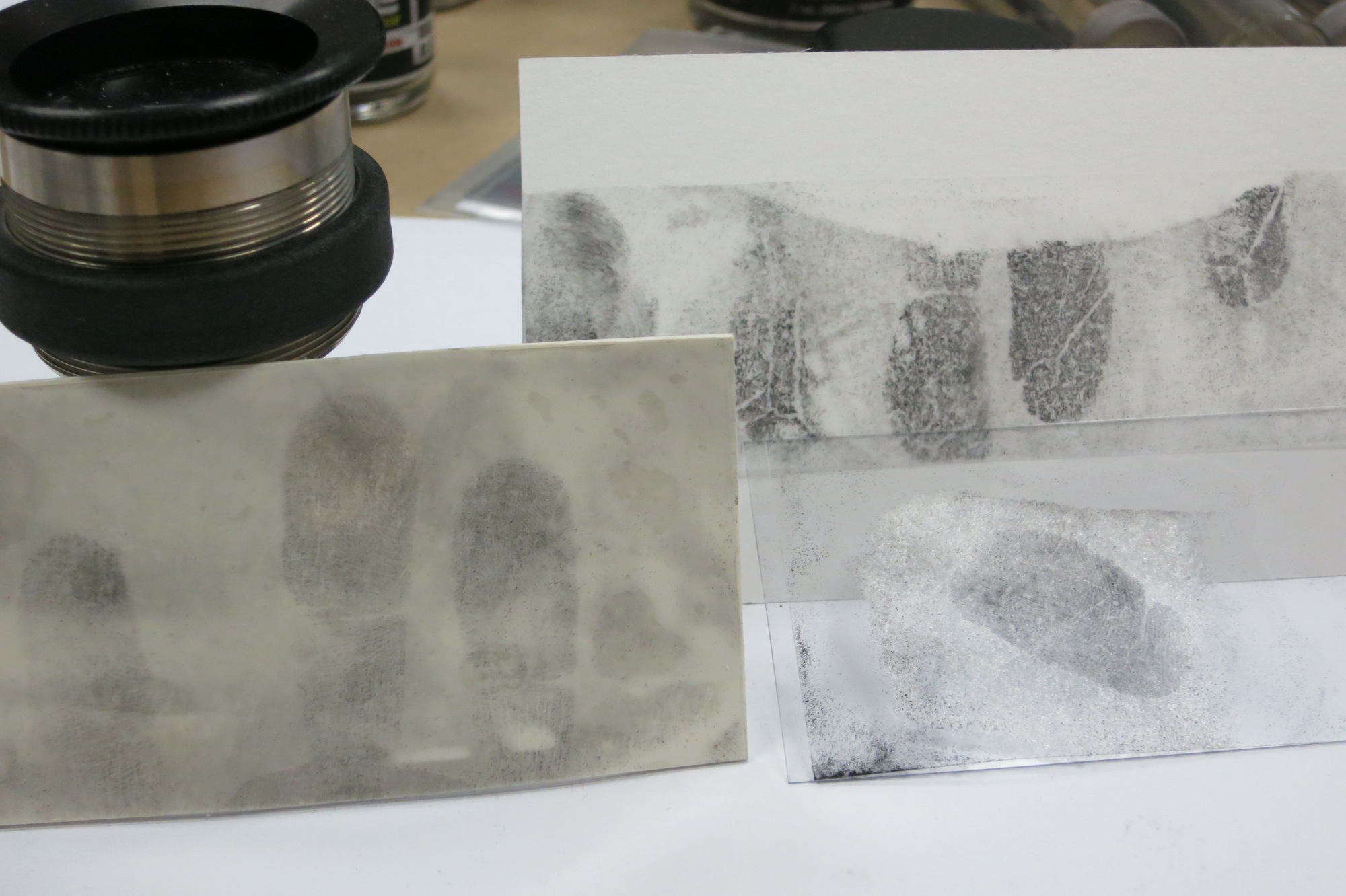
they can be lifted from various smooth surfaces using (in forefront) a gel lifter, a hinge lifter and (in background) tape.

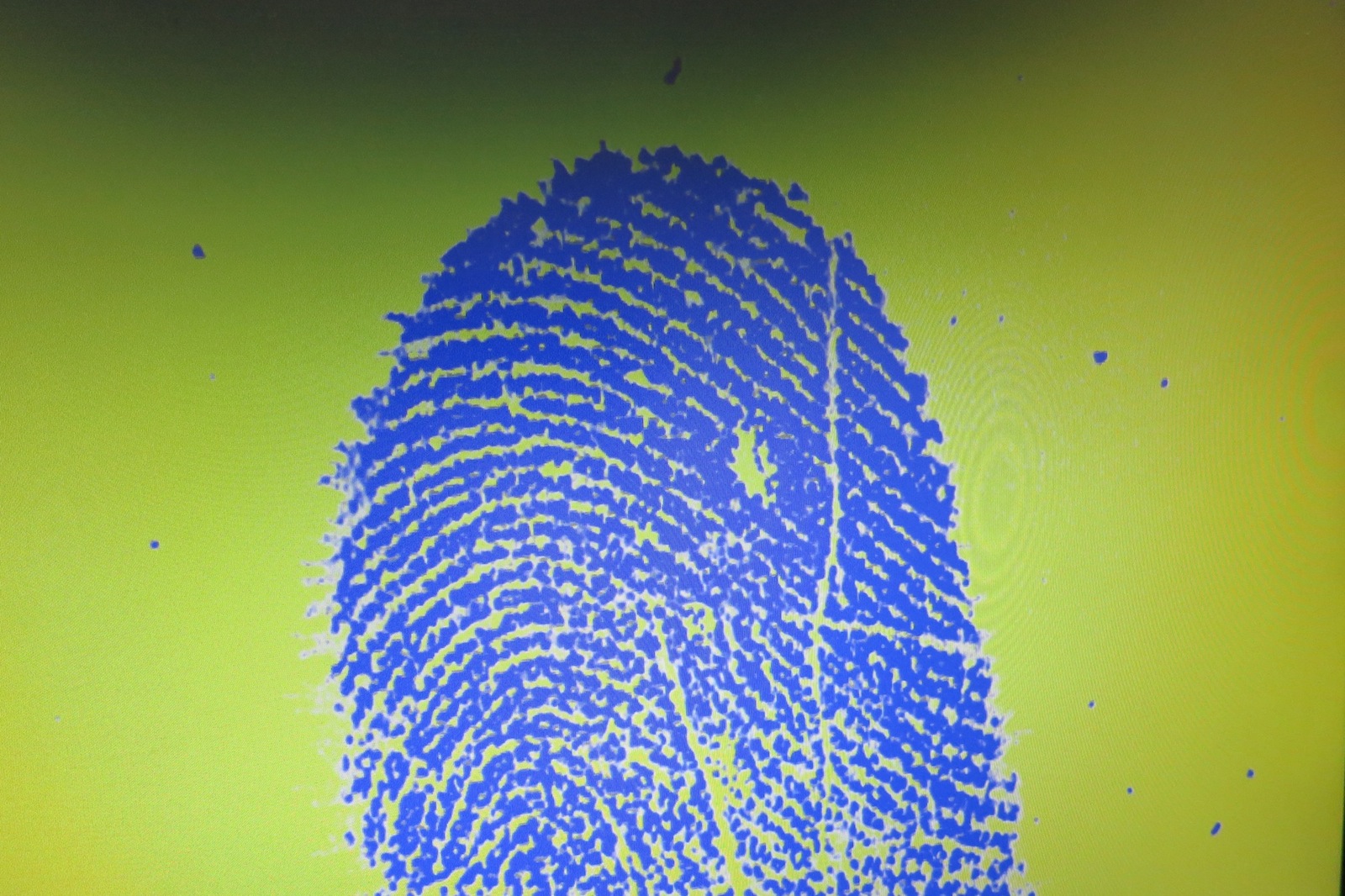
Prints are photographed and then can be viewed under an Optical Comparator. This machine can be hooked up to a laptop, and the image sent off to AFIS for ID.

Contrast image as seen on Optical Comparator

We hope for a complete print, but the usual occurrence is that most of the time, partial prints are left at the scene. That’s what makes the search for the suspects so much tougher than what the TV dramas tell us. There is no instant ‘a-ha’ moment that comes right after the crime has been committed. In a real lab, AFIS comes back with a list of 10-20 possible matches and someone then makes a comparison by hand of the most likely hits.

Some things to keep in mind:

*A print can disappear over time and there are too many variables (temperature, humidity, condition of the surface, etc.) to predict how long that will take.

*A really crisp print can be photographed right at the scene, using some great digital cameras now available.

*Forensic science is not a certainty, even though TV shows may give that impression.

*There is no nationwide standard for number of points of ID for a fingerprint. In the year 2013, the acceptable number of matching points (between the actual print and the print in the AFIS database) can range from 5 to 20 depending on where the suspect lives.

There is no such thing as a perfect crime, but the jails are filled with crooks that swear they have been framed. One of my favorite excuses: “Somebody planted that print.”

Right.

That only happens on TV and in the movies.


*Photos taken by Patti Phillips at the Sirchie Education and Training Center, Youngsville, NC.


KN, p. 71 “Whose fingerprint is that?” Read More »

Scroll to Top