
If there are no paragraph separations in this article, double-click on the title and they will appear. 🙂
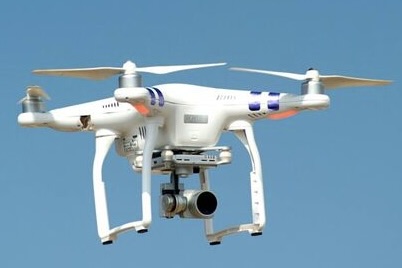
DRONE: (Unmanned Aerial Vehicle – UAV) An aircraft operated without a human pilot on board. The name originated in the early 1900s because of the sound the larger ones made in the air, similar to that of a bee in flight.
Once upon a time in the USA, remote controlled hobby planes could be heard buzzing above the trees, sometimes in parks, sometimes in backyards. The operators stood in one place while controlling the direction and elevation, initially difficult to do because the small planes had fixed wings and no stabilizers. Public interest shifted to drones around 2013 after Amazon announced that they might use them to deliver certain products. These days, most civilian drones are quadcopters – drones with four propellers and built-in systems to keep them steady in most air currents.
Basic Drone Types:
- Multi-rotor: Commonly used by photographers because this design can launch vertically.
- Fixed-wing: Looks like an airplane, best for long-distance use (crop checks, mapping).
- Single-rotor: Looks like a helicopter, and can carry heavier cargo than a camera.
Each type needs a method of communication, a flight controller, motors, and propellers.
The smaller drones (weighing a pound or two) are usually battery operated and go short distances. The larger models, intended for long-distance use, generally require gasoline-powered engines. Drones come in all sizes now, from as tiny as bees, to as large as private airplanes and are capable of speeds of under 100mph to over 280mph.
Common Uses: Beyond recreational use, drones are used for aerial mapping, crop inspection, wildlife conservation, building, bridge, and pipeline inspection, and military intelligence.
Photographers can make a living doing drone photography for real estate shoots, weddings, and wildlife work. Fees range from $100 to $1,500 an hour, but the drone pilots need an FAA license to operate the drones at the elevations needed in certain careers. It takes special training to operate the drones (it’s windy in the sky and a camera must be stable) to take quality photos, so it’s not usually a line of work for the amateur photographer with a cellphone. Spectacular drone shows, a modern variation of an extensive light show, cost upwards of $100,000.00 depending on the location, the number of drones used, the permits required to use the airspace, etc.
Some fast food chains have attempted to add drone delivery to their business plan, with mixed success. The stores are limited to deliveries within a certain radius (maybe a mile from home base), by the size of the order (nothing too heavy), by weather conditions (no wind, rain, or snow) and by the ability of the customer to retrieve the order (lowered to the ground by tether, or just dropped on the sidewalk). This service is generally available only in big cities. Even Amazon has gotten into the drone delivery biz, for an additional $5-$10 fee per order.
Pharmacies have attempted to deliver medication by drone. This idea has had positive results in battle zones where vehicles have limited access, allowing an injured soldier to receive treatment that otherwise might not happen for hours, if at all.
Government agencies have been known to use drone technologies for disaster relief and border security.
RULES and lots of them:
- Drone operators must follow FAA regulations:
- Registration is required for drones over .55 pounds
- Flights must stay below 400 feet
- The operator must keep the drone in visual line-of-sight
- Commercial pilots need a Part 107 license
- Recreational flyers must pass The Recreational UAS Safety Test (TRUST)
- Speed must stay below 100 miles per hour
- Flights must be in daylight unless special night lights are attached and licensed
- Flights must stay 5 miles away from airports and away from highways and stadiums
It’s possible to get serious jail-time for certain violations. If used for illegal surveillance, the operator will be in big trouble with the law. Think stiff fines and a decade in jail. If weapons are attached to the neighborhood drones (highly illegal) the law demands even stiffer penalties.
Drones didn’t get their start as civilian toys. They were employed in the mid 1800s by the European military as a way to drop bombs on the enemy. In both WW1 and WW2, drones were used in aerial reconnaissance to photograph terrain or troop placement, much easier and time/cost effective than using people for the jobs. As technology has progressed, drone stations can now be hundreds of miles away from the target or on naval drone carriers stationed offshore from an inland target.
More than a dozen countries have added drone carriers to their naval armadas, allowing for a vastly expanded, far less expensive, military presence. One recent network news report estimated that a $300K sea drone could disable a multimillion dollar warship, in part because of its size (hard to defend against). Training drone operators is less expensive than pilots, and drones can be lost in combat without loss of life.
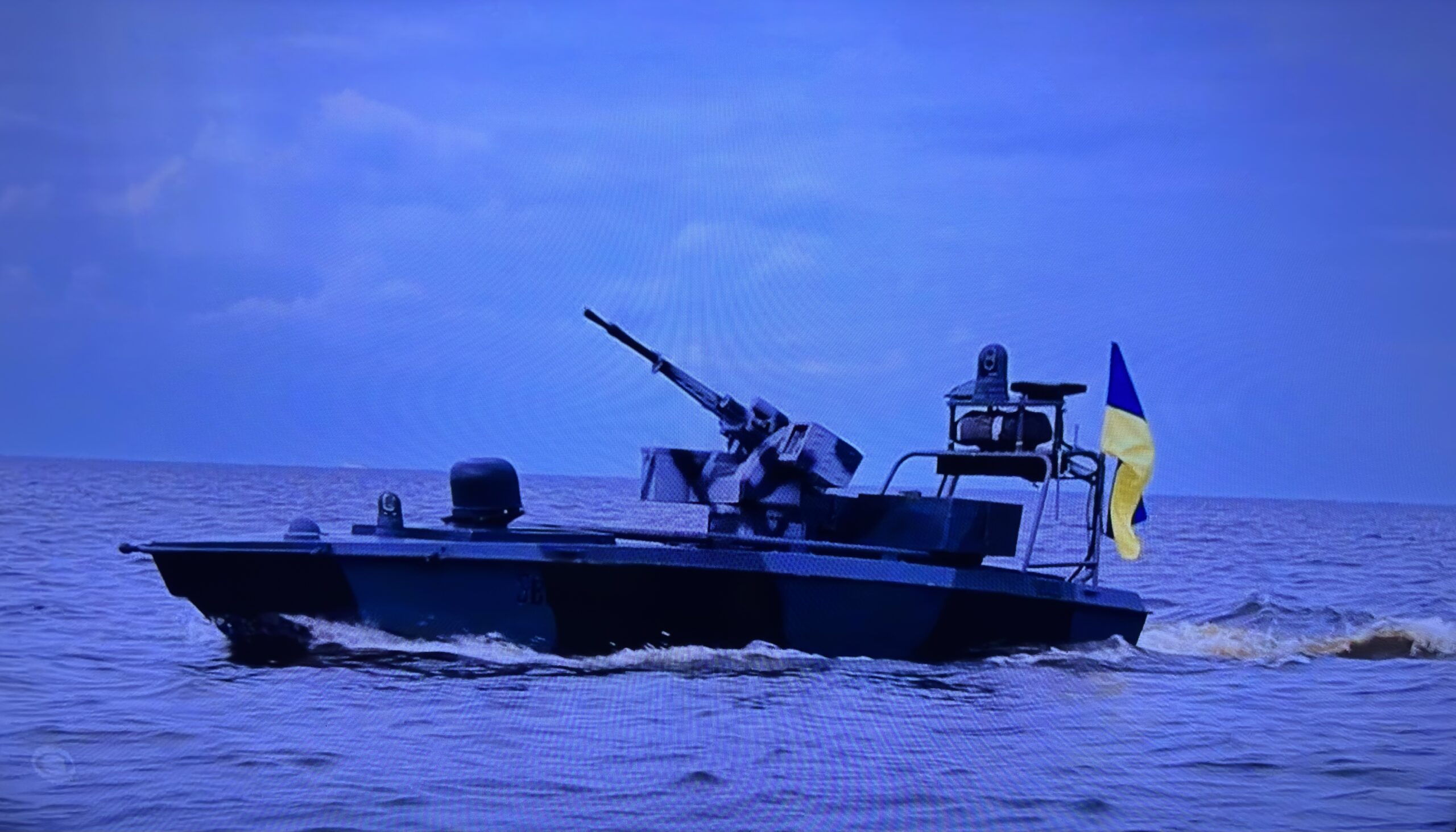
By the way, you can’t shoot down an annoying drone that seems noisy and/or intrusive in the neighborhood. They are classified as aircraft, and damaging them in any way can result in fines and jail-time.
Some info from the U.S. Forestry Service
Additionally, some FAA regulations have been cited.


Drones are there some people just don’t notice, for awhile they were hovering all over. Scarring us for we didn’t know why. Police dept. Use them now in all the states. It helps them a lot. They should use them like a patrol car. Scanning areas
One of the concerns with law enforcement using drones everywhere is a privacy issue. A city/neighborhood may be fine with using drones in pursuit of a suspect, but not okay with general scanning. Thanks for stopping by!