For Writers

KN, p. 178 “Is the builder dead yet?”

“What? Is somebody trying to kill the builder?” you ask.

They’ might be thinking about it. As in, more than one person is annoyed.
EmptyLotTreesDSC_1481

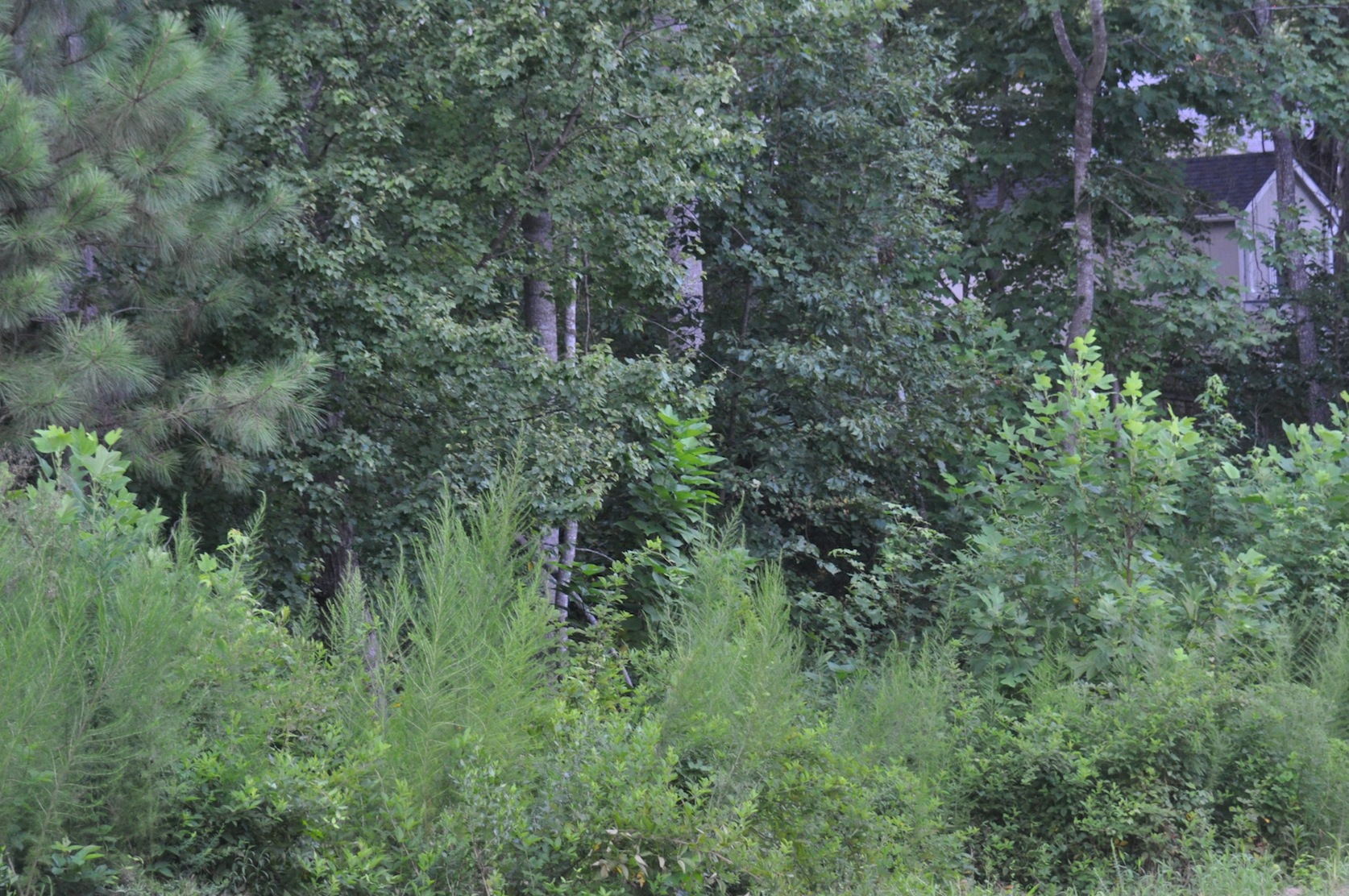
Here’s what is happening. When we moved in, the neighborhood was full of wooded lots. Even the properties with houses already there, had plenty of trees at the edges, along the fences, or next to the houses. Some were mature trees that had been left on the otherwise cleared lots before construction had begun. Property owners added flowering trees as time passed. Wildlife flourishes in this residential neighborhood of 1/4 and 1/3 acre lots. We’re not out in the country, but these are not zero-lot homes either.


Phases 1 and 2 of the larger housing development have long been completed. Phase 3 was finished three years ago, the original trees are beautiful, and the owners are adding new fruit/flowering trees each year.

Enter Phase 4. The original developer had a few lots left and found a builder to buy them. That builder wanted the lots cleared before finalizing the deal. That’s when we, the neighbors, discovered that some of the grassy/lightly-wooded areas between existing homes were actually unsold lots.
 

EmptyLotBulldozerDSC_1474

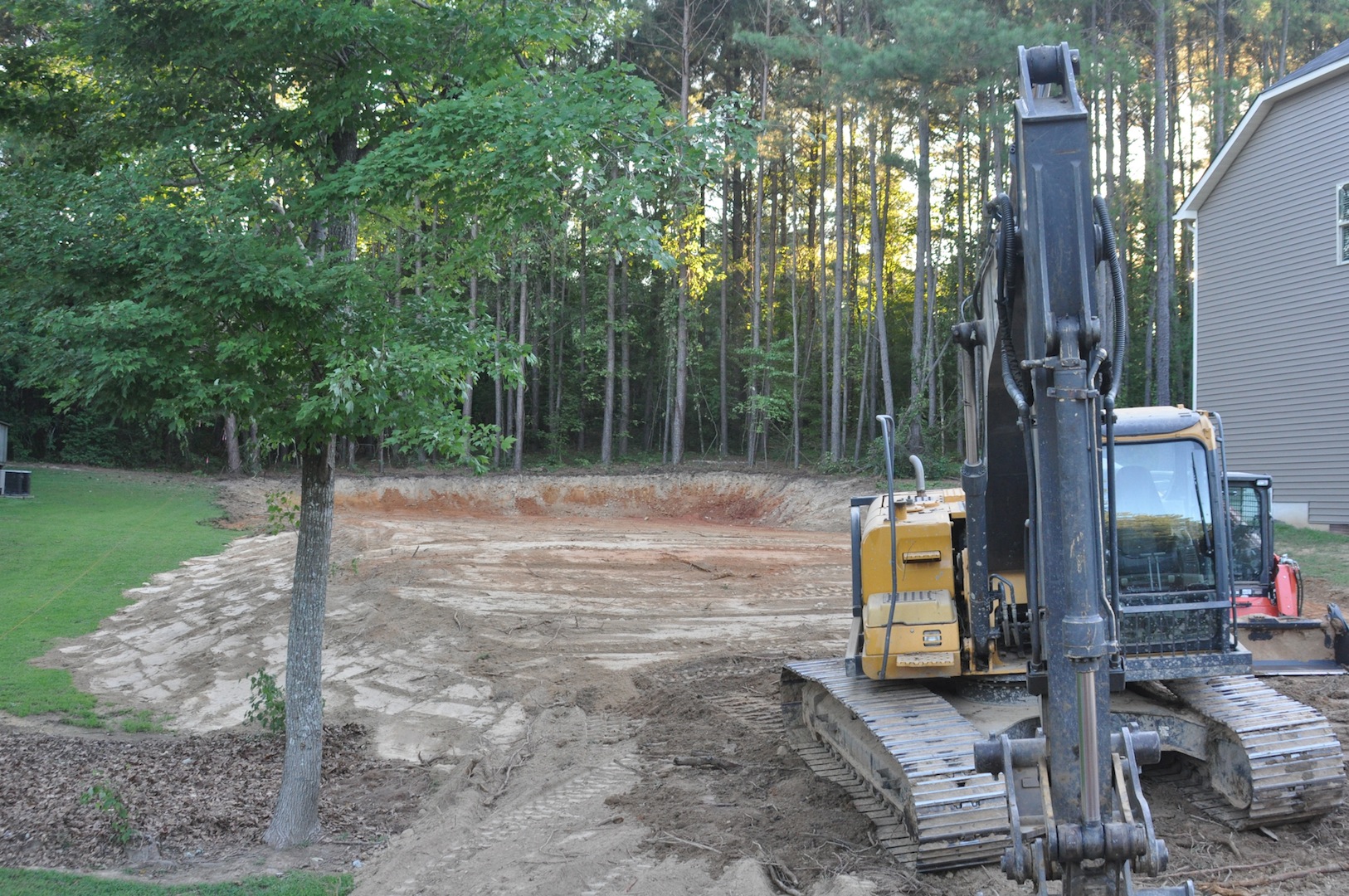
ALL of the trees from those lots are being cleared, lots of red dirt remains, and now mudslides into neighboring backyards are expected with the next heavy rain.

The developer in charge of the work told me on the phone that the lots are not wide enough to have left the trees in place. The one in the photos is 60 feet wide. Years ago, I lived in a house surrounded by maples and evergreens. That lot was 50×100. IMO, this guy simply did not want to take the time to leave a couple of trees to shade the house and protect the wildlife on the lot.

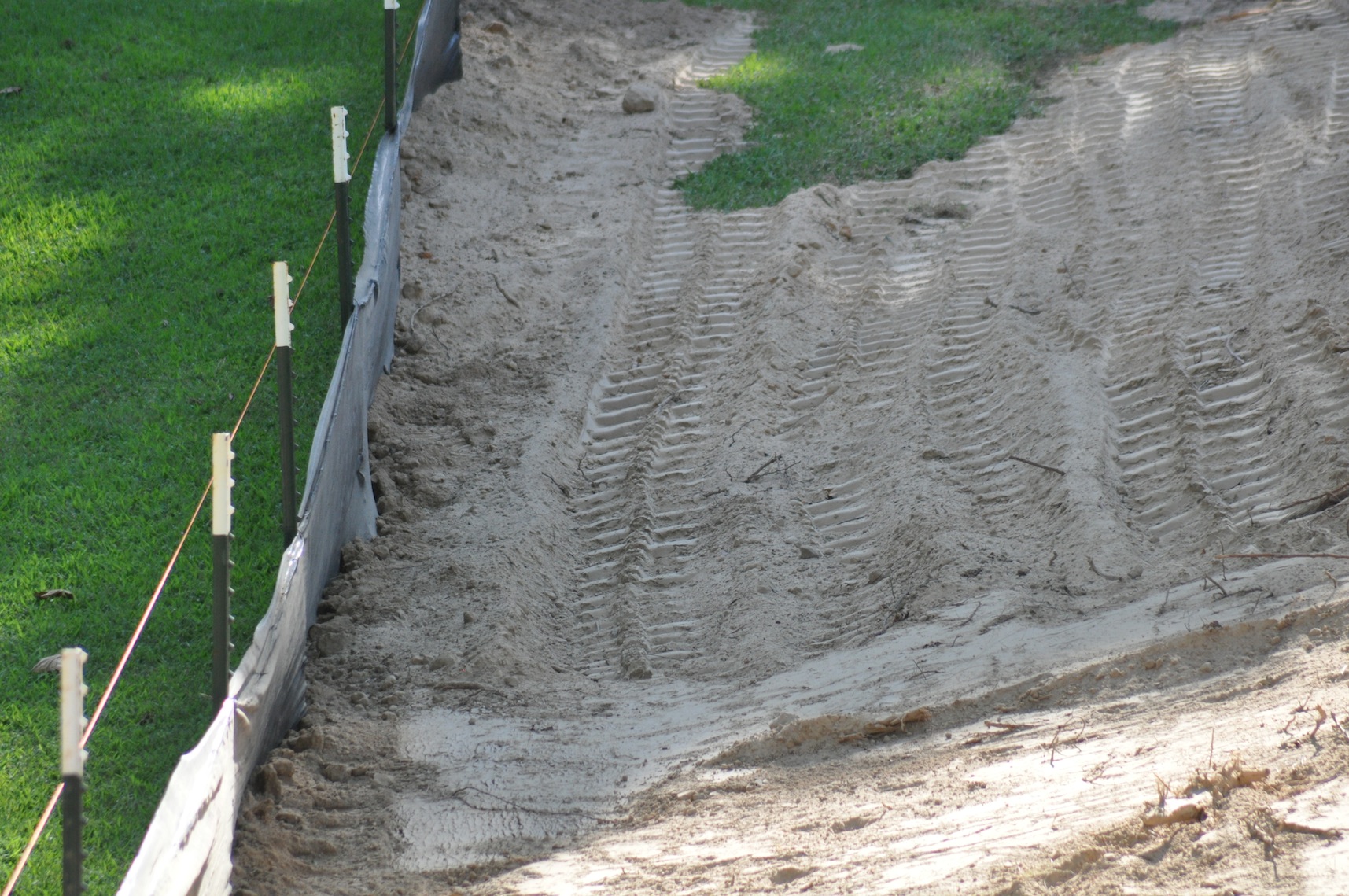
The neighbors to the left and right of the bulldozer photo were concerned enough to have the City Inspector come out to assess the situation. Note the dirt to the left appears to be in a pile that crosses the property line and would be the most likely to slide into the neighbor’s yard in the rain.
 

EmptyLotSandFenceDSC_1503

The builder’s solution was to place sand barrier ‘fencing’ on the property line. The bulldozer operator moved the dirt up against it.

Other lots have similar problems with soil grading and tree removal.

Heated conversations have been held. The neighborhood grapevine is operating at peak efficiency. Town council meetings are scheduled on the topic.

In case you doubt that neighbors and builders would actually get angry over something like this, read on.

Existing homeowners in Colorado were upset with new builders in the neighborhood who appeared to be putting in homes that did not conform to the look of the development, thereby lowering everyone’s property values. Building was delayed while plans were reviewed. Board members who were in charge of approving the designs (but didn’t) were removed from their positions and new people replaced them.


http://www.reporterherald.com/ci_20492538/homeowners-builder-bank-at-odds-lovelands-taft-farms

When developers with big money at stake and disgruntled homeowners with possible deflated property values are at odds, tempers can flare, injunctions can occur, and nothing good happens. If the builder complies with city ordinances, there is little recourse for the neighbors who don’t care for the look of the newer houses, or how the new homes will affect them.

City codes exist for a reason. Check yours out. You might be surprised at what is NOT included in some communities, such as: building setbacks, curbing pets, rules about garbage, home swimming pool regulations, livestock allowed in the city limits, etc.

We haven’t seen any bodies in the remaining woods yet, but it is still early in the process. Kidding. Tempers are high, but so far, everybody is at the yelling stage. Let’s hope that reason prevails and the builder corrects the problems he has created, and doesn’t produce any new ones.


2021 Update:

The two houses built on the properties in the photos have flooding issues. One has a perpetual pond in the backyard from the water cascading down the slope, requiring special drains to keep the water away from the house. The builder was within city code requirements and took no responsibility for the flooding caused by his bulldozing method. Buyer beware.


*Photos by Patti Phillips


Save

Save

Save

Save

Save

KN, p. 178 “Is the builder dead yet?” Read More »
KN, p. 119 “What does a firefighter wear?”

If there are no paragraph separations in this article, please double-click on the title to create a more readable version.

Firefighters have one of the most dangerous jobs in the world. Walking into a house fire that could reach 1000 degrees in under a minute (that’s not a typo) or a chemical fire that may reach double or triple that temperature in seconds, while  battling smoke inhalation as well, means a firefighter’s life depends on being supplied with the best equipment that money can buy. Without the proper gear, firefighters can’t stay inside a burning structure long enough to rescue victims or fight the fire successfully.

So, what is the right gear that keeps them safe and still allows them to do their jobs?

Tim Fitts, a veteran firefighter in North Carolina, and Coordinator of certification classes for firefighters and rescue squads at Guilford Technical Community College, demonstrated his gear on a 95 degree day in September. Fire isn’t selective about the weather, so it’s a good thing for us that firefighters train and work under all kinds of conditions.

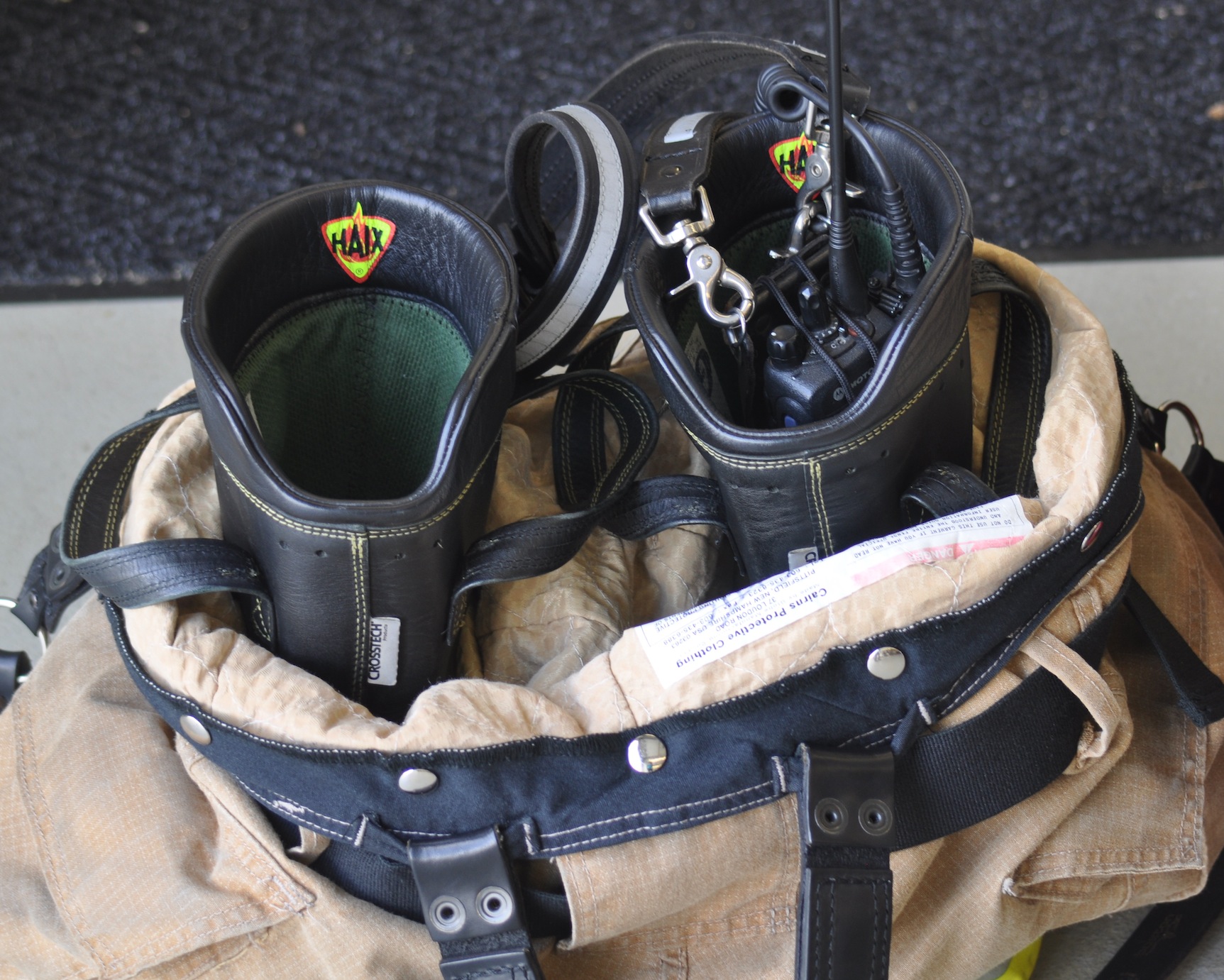
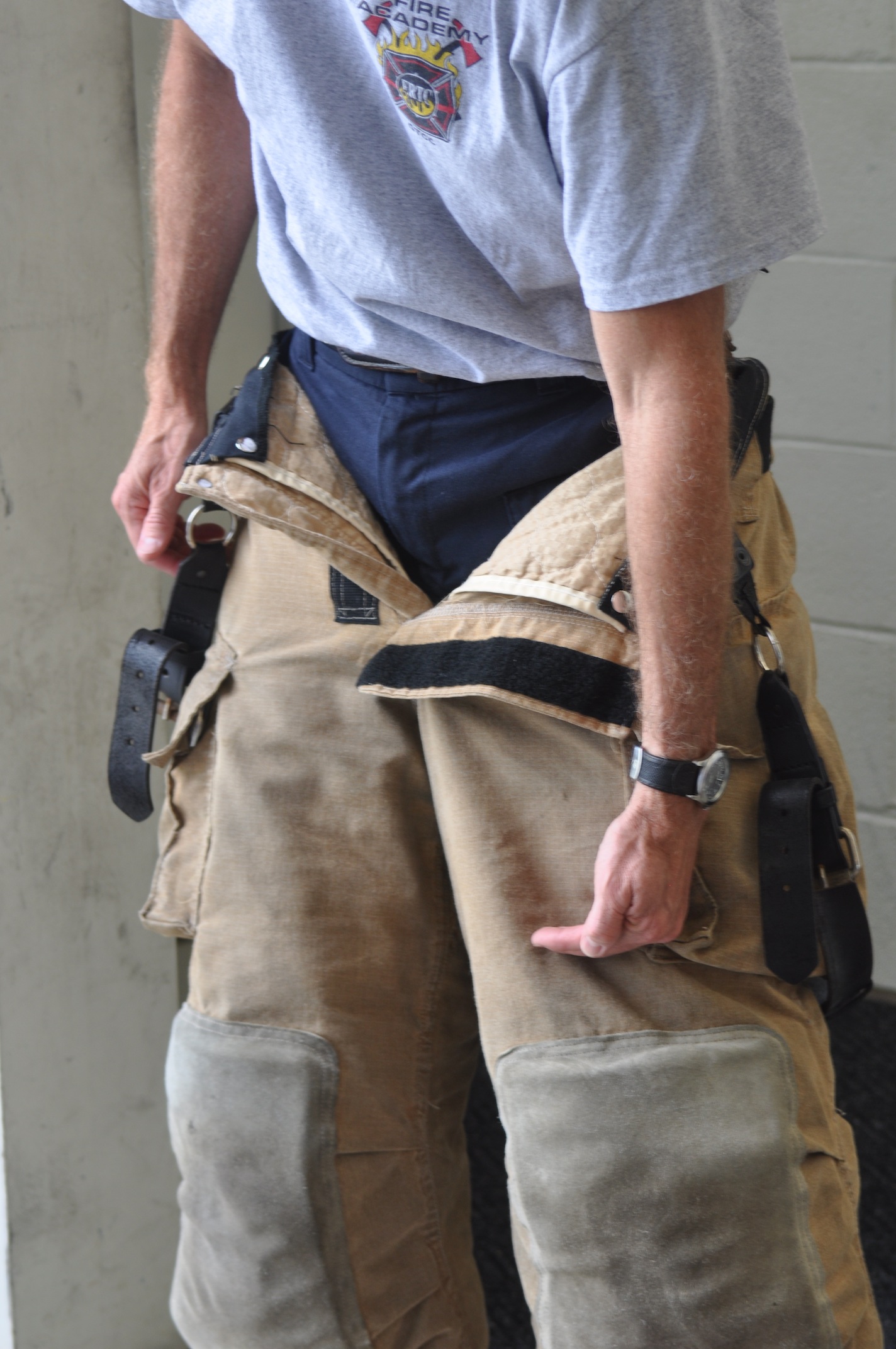
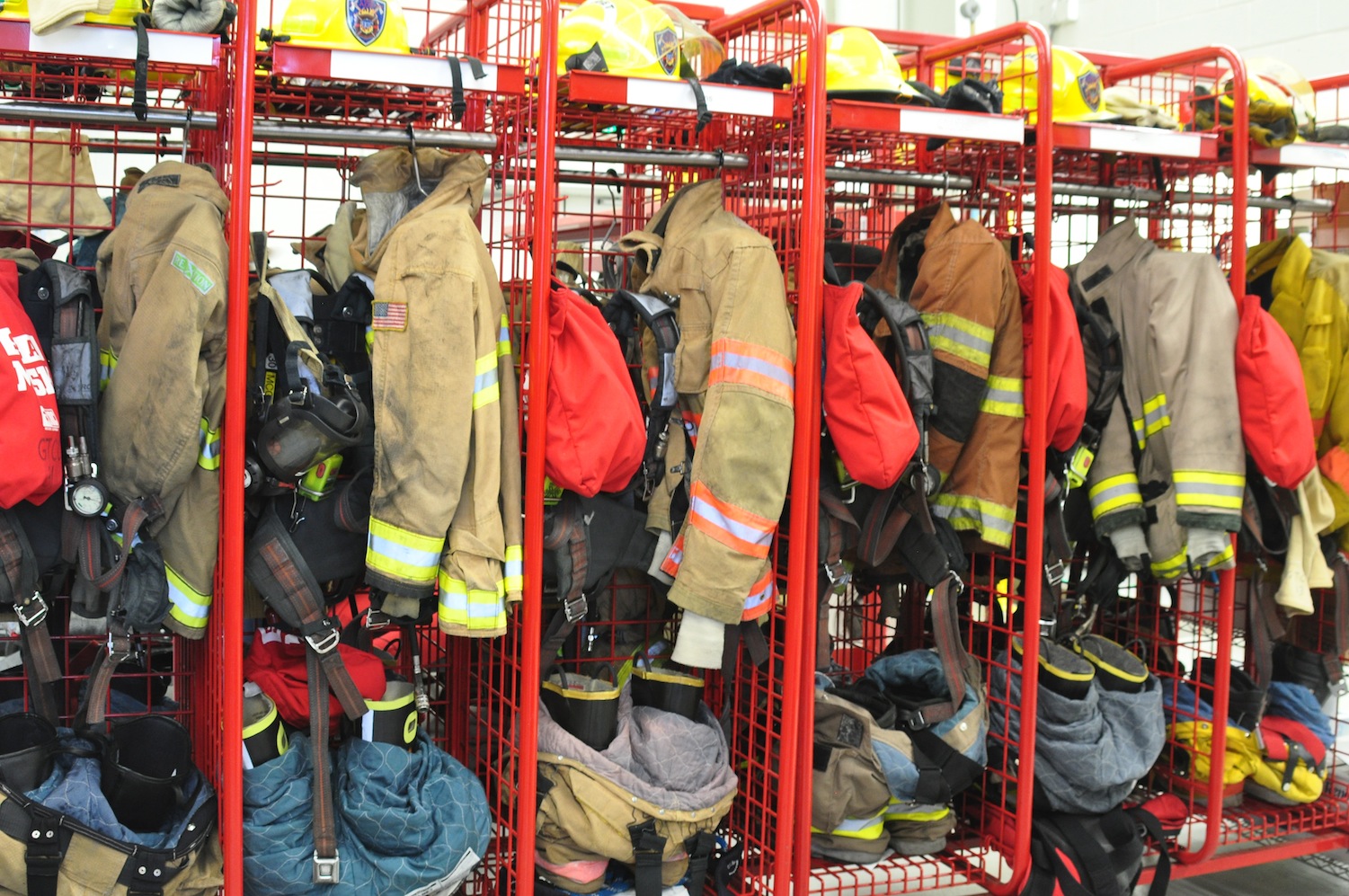
The firefighter uniform is generally called ‘turnout gear’ by firefighters because they turn it inside out when not in use, so that they can step into it quickly and pull it on/up when the fire bell/siren sounds. Firefighters need to get completely dressed in about a minute, so any safe system that will speed up the process is used. Some guys pull on the boots and pants, grab the rest of the gear and finish getting dressed in the truck as it pulls out of the fire station. 

The official name for the gear is Personal Protective Equipment (PPE).

Parts of the firefighter uniform:

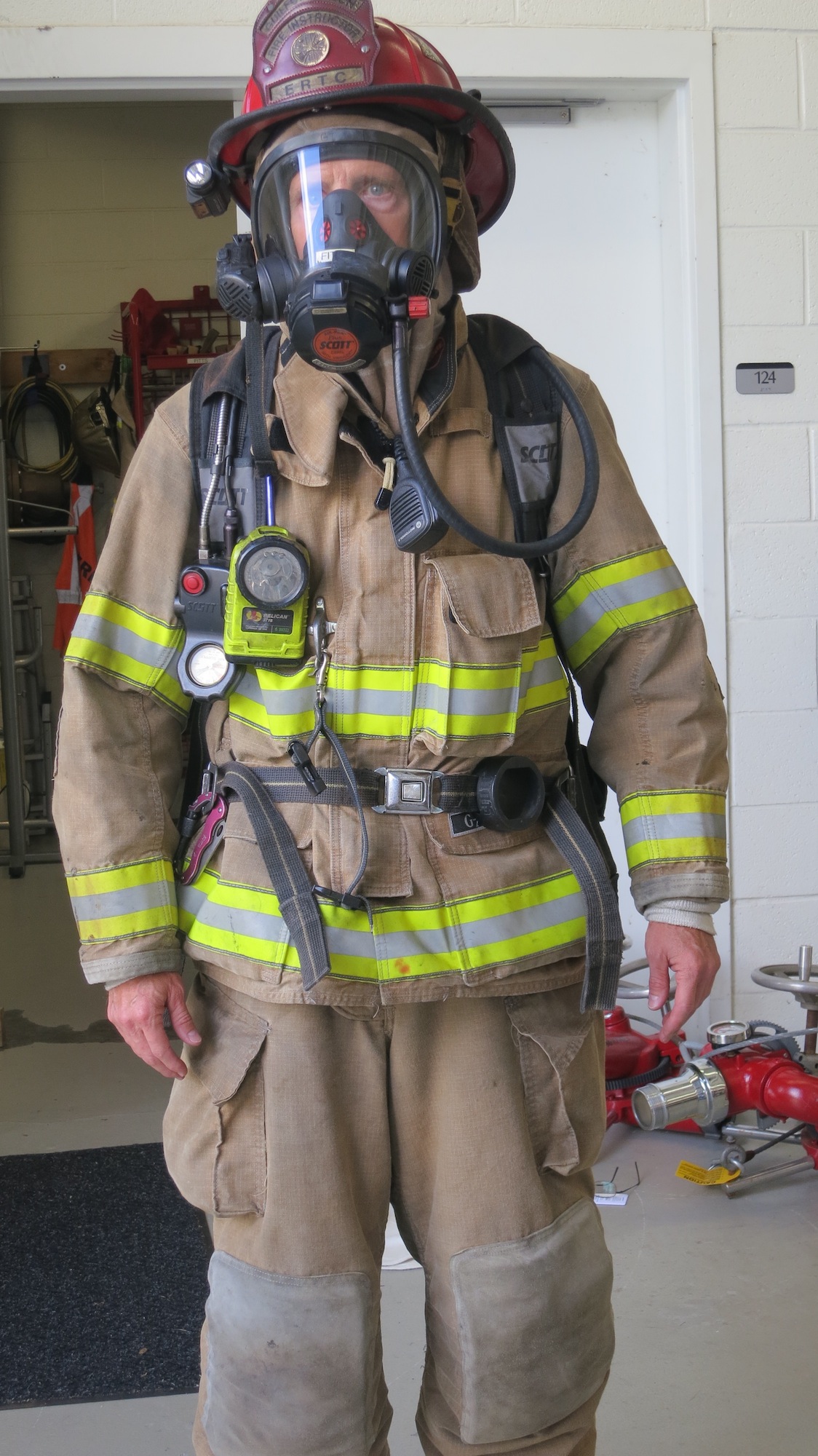
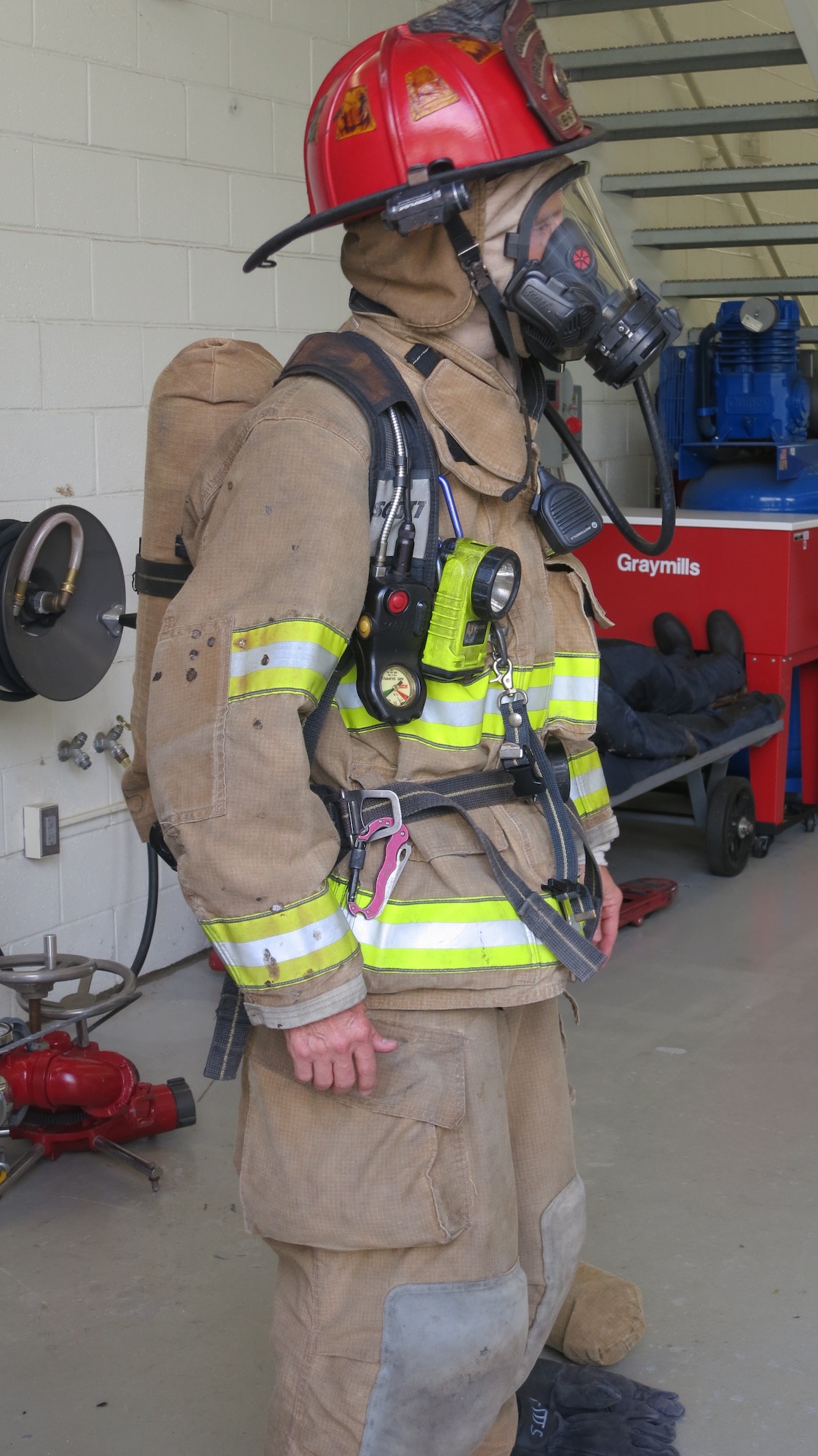
While on the job at a fire or rescue operation that might result in a fire, most firefighters will wear these pieces of clothing:

  • Boots, insulated with steel toes and steel shank
  • Cotton t-shirt
  • Gloves, insulated leather
  • Helmet, with neck flap and eye protection
  • Hood, Nomex
  • Jacket, insulated, with Velcro and spring hooks
  • Pants, insulated, with Velcro and spring hooks, with extra padding and pockets
  • Suspenders

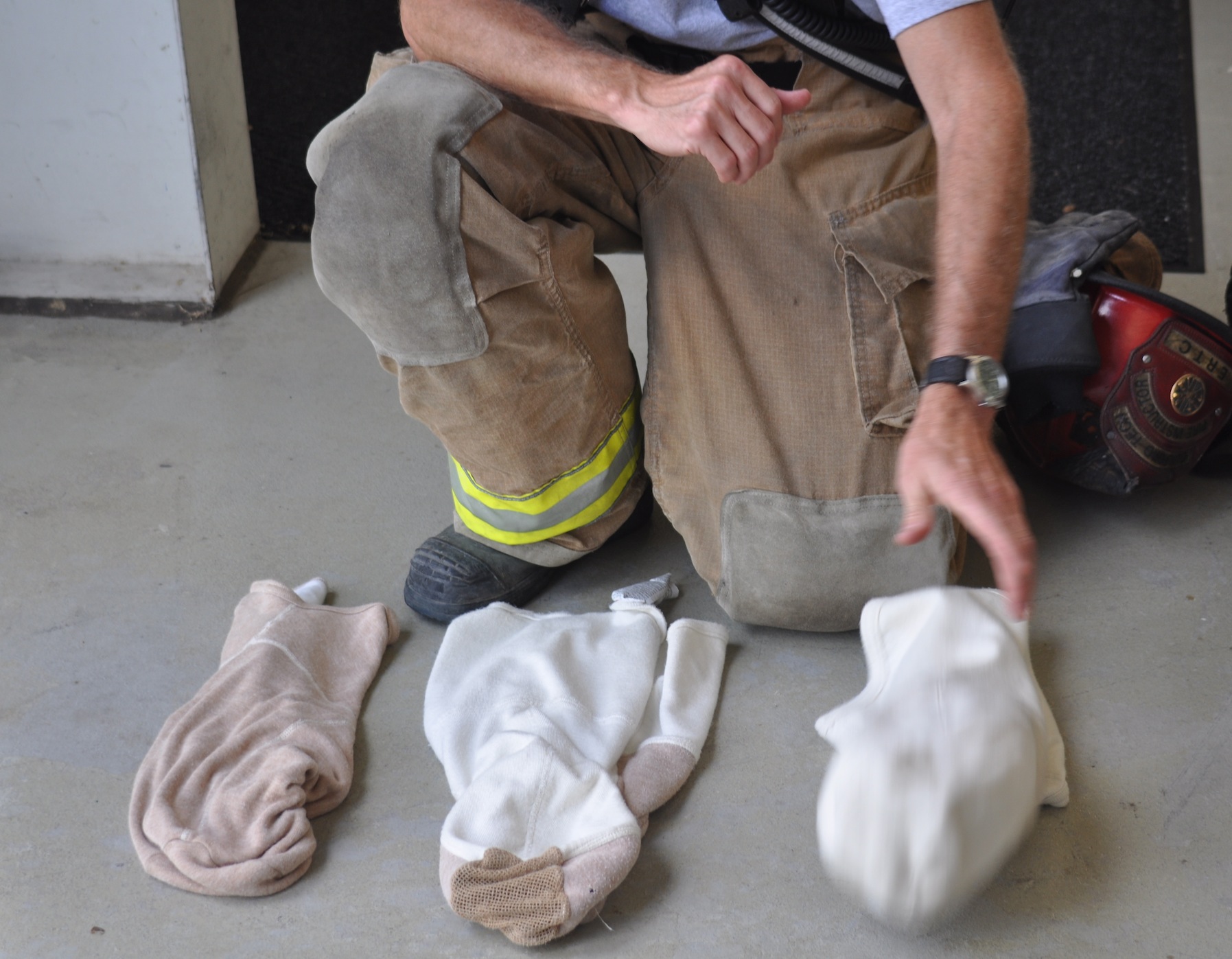
These three hoods are made of different fabrics: Kevlar blend, PBI/Kevlar, and Nomex.

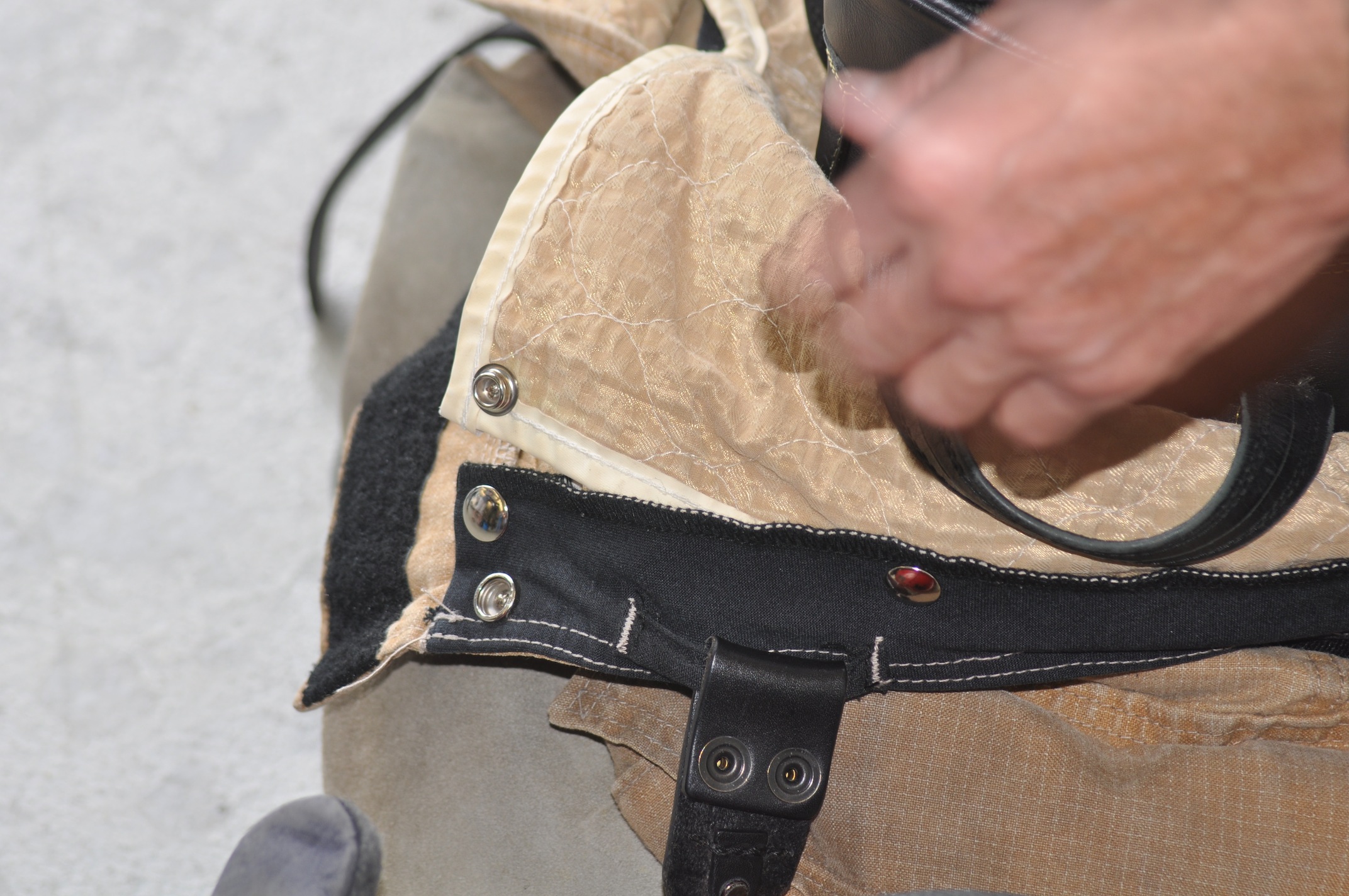
Firefighters put a hood on before the jacket, so that it sits properly on the shoulders. They tend to wear two hoods to protect against a flashover, giving their heads the extra defense needed in the intense heat. If a flashover occurs, the firefighter will have about two seconds to get out of the building. If the hoods are not providing enough coverage, it will feel like 1000 bees stinging the ears at one time – it’s too hot to stand. It’s time to get out.

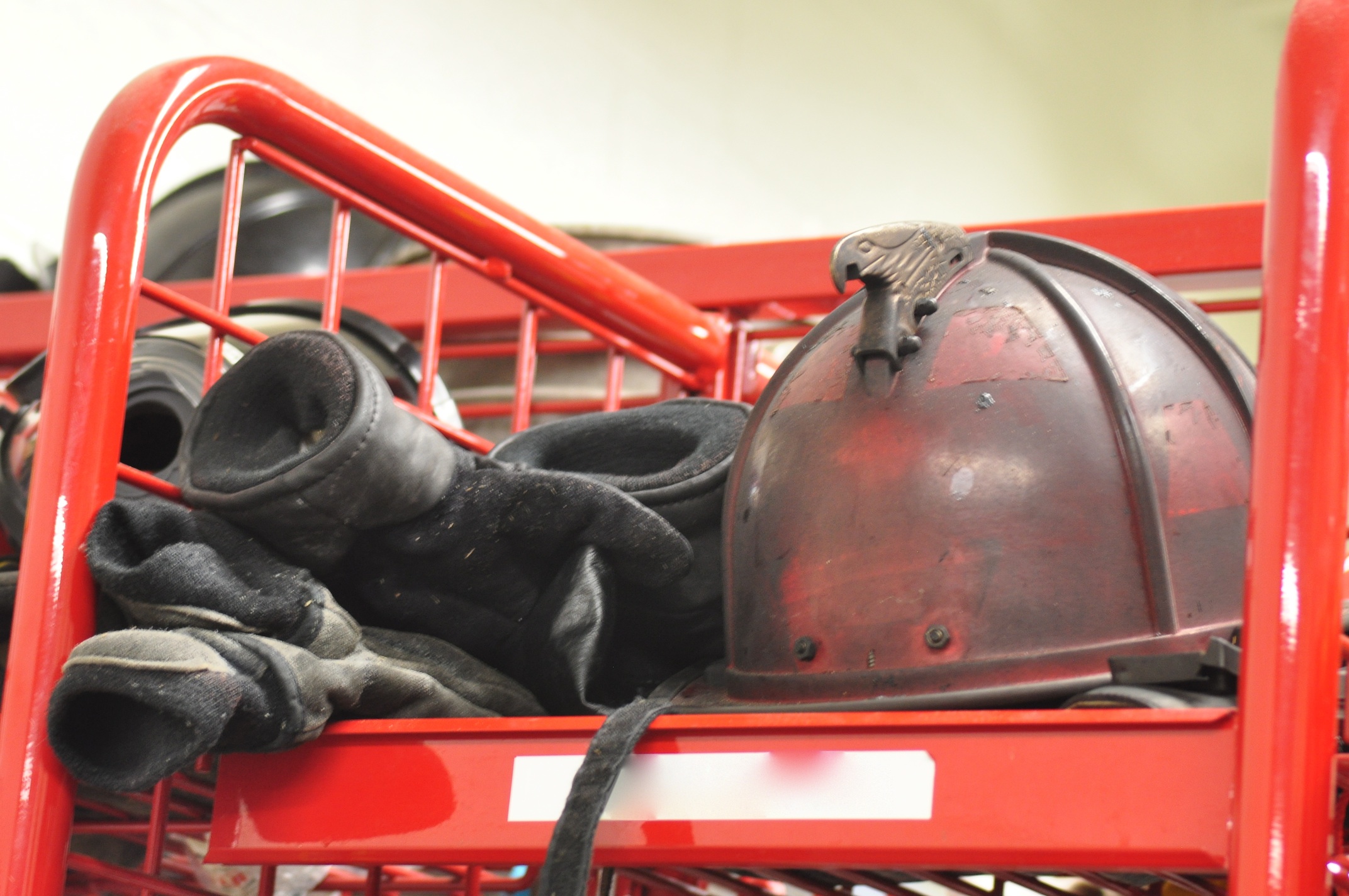
The helmets are made of thick, heat resistant plastic and often include Kevlar or Nomex flaps for the ears.

Firefighters are taught to fight fires on their knees (not while crawling) so the extra padding helps cushion the wear and tear on the knees.


In addition, the firefighters put on:

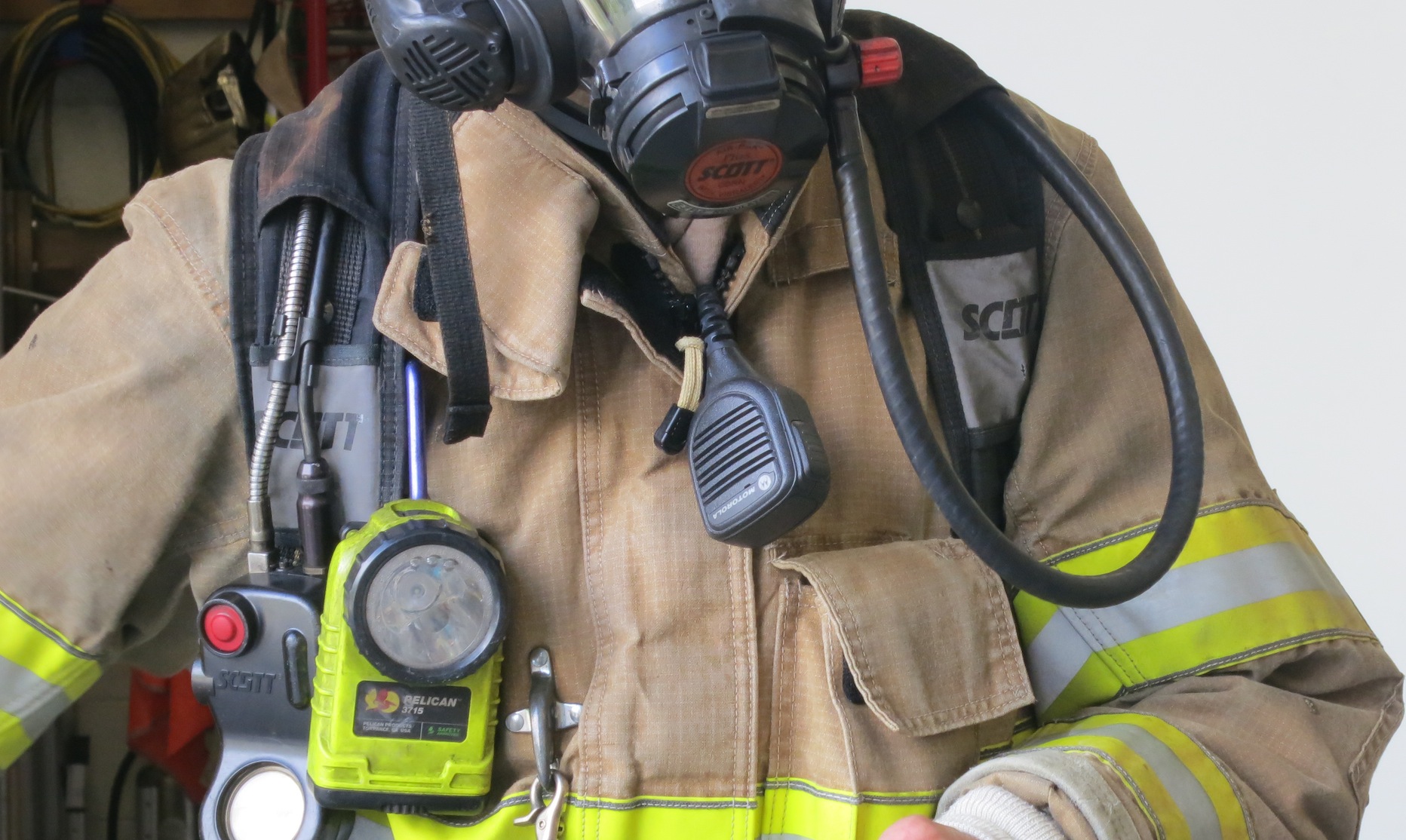
  • Airline and pressure gauge
  • Flashlight
  • Positive pressure mask
  • PASS device
  • Radio
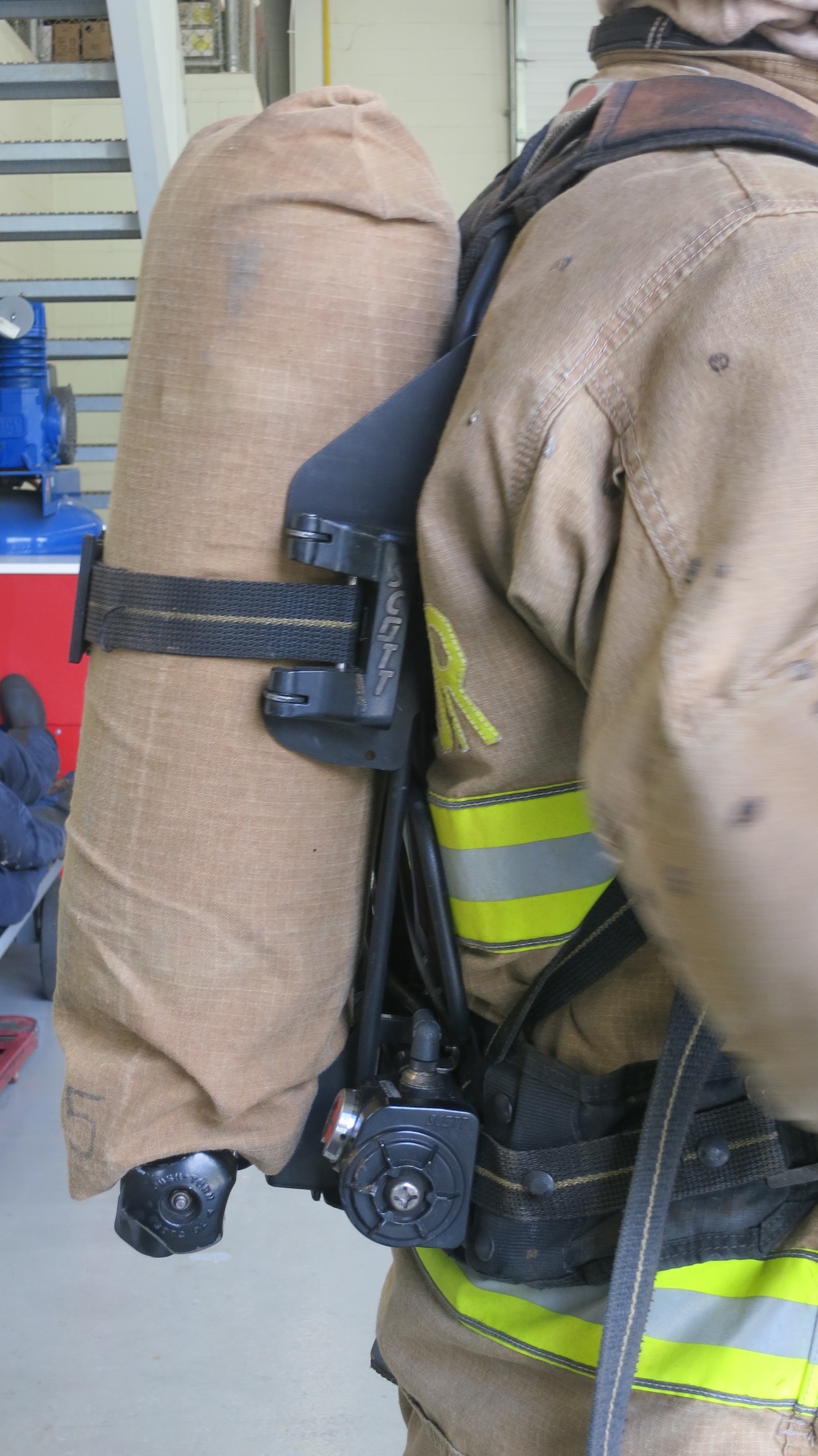
  • SCBA shoulder straps, airtank bottle and backpack frame

The PASS device (Personal Alert Safety System) is a personal safety device used by firefighters entering a hazardous environment – a burning building. When the firefighter does not move for 30 seconds, it makes a loud, shrill, really annoying  sound, letting others in the area know that something is wrong.

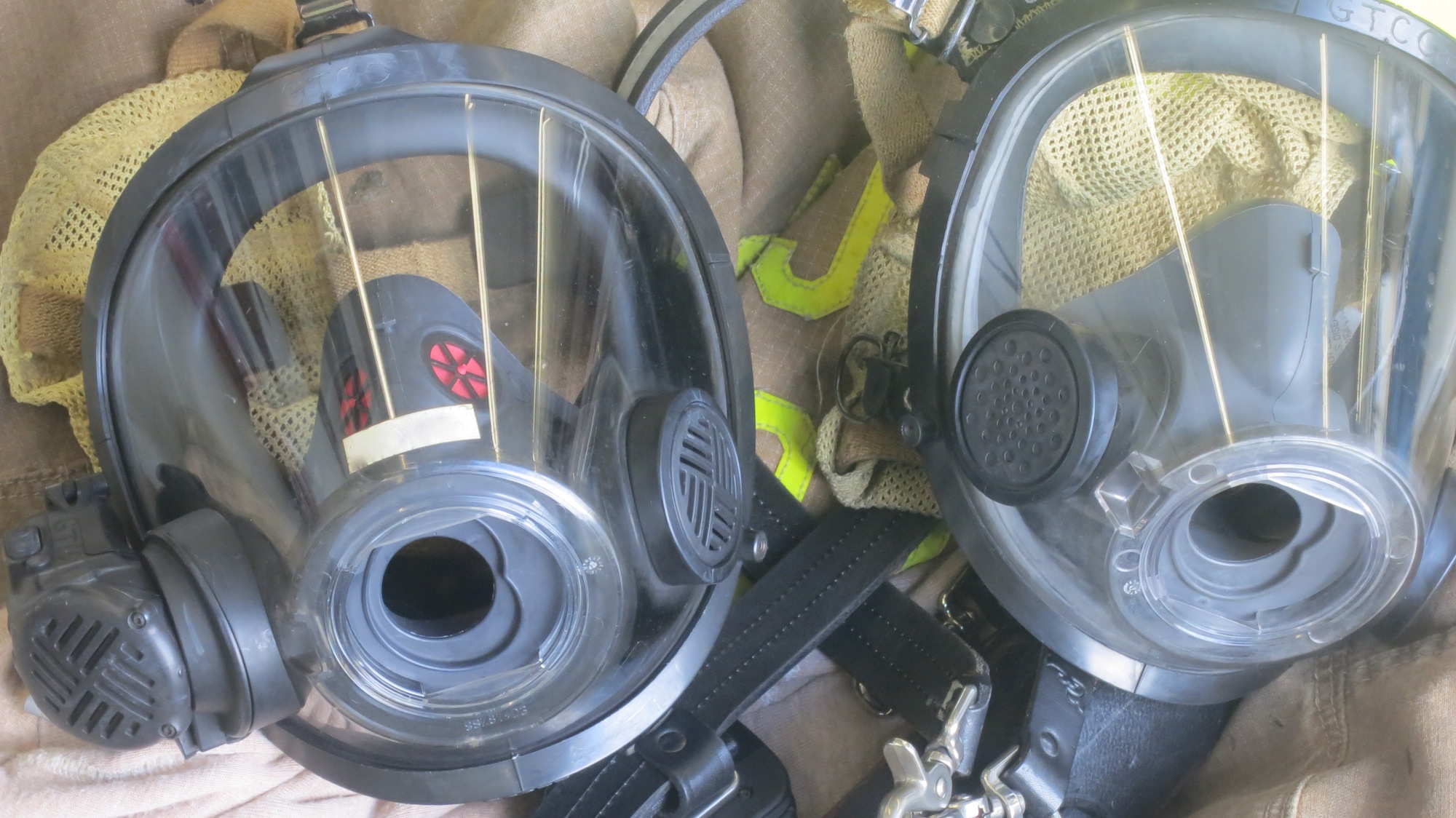
The mask on the left is a newer model, the one on the right? Older. There has been an upgrade in technology for the plastic in the mask, developed because at high temperatures, the old plastic would fail (melt). It was the weakest part of the uniform. The new version will not fail as quickly.


Note that even the air tank is protected with a fire retardant fabric.

The idea is to be protected from the fire and to be able to breathe safely while he/she works. The positive pressure mask on the SCBA (Self Contained Breathing Apparatus) gear keeps the toxic air out as much as possible by allowing the tank air to flow continuously, even if the firefighter is not inhaling. By the way, the tanks are full of compressed air, not oxygen.


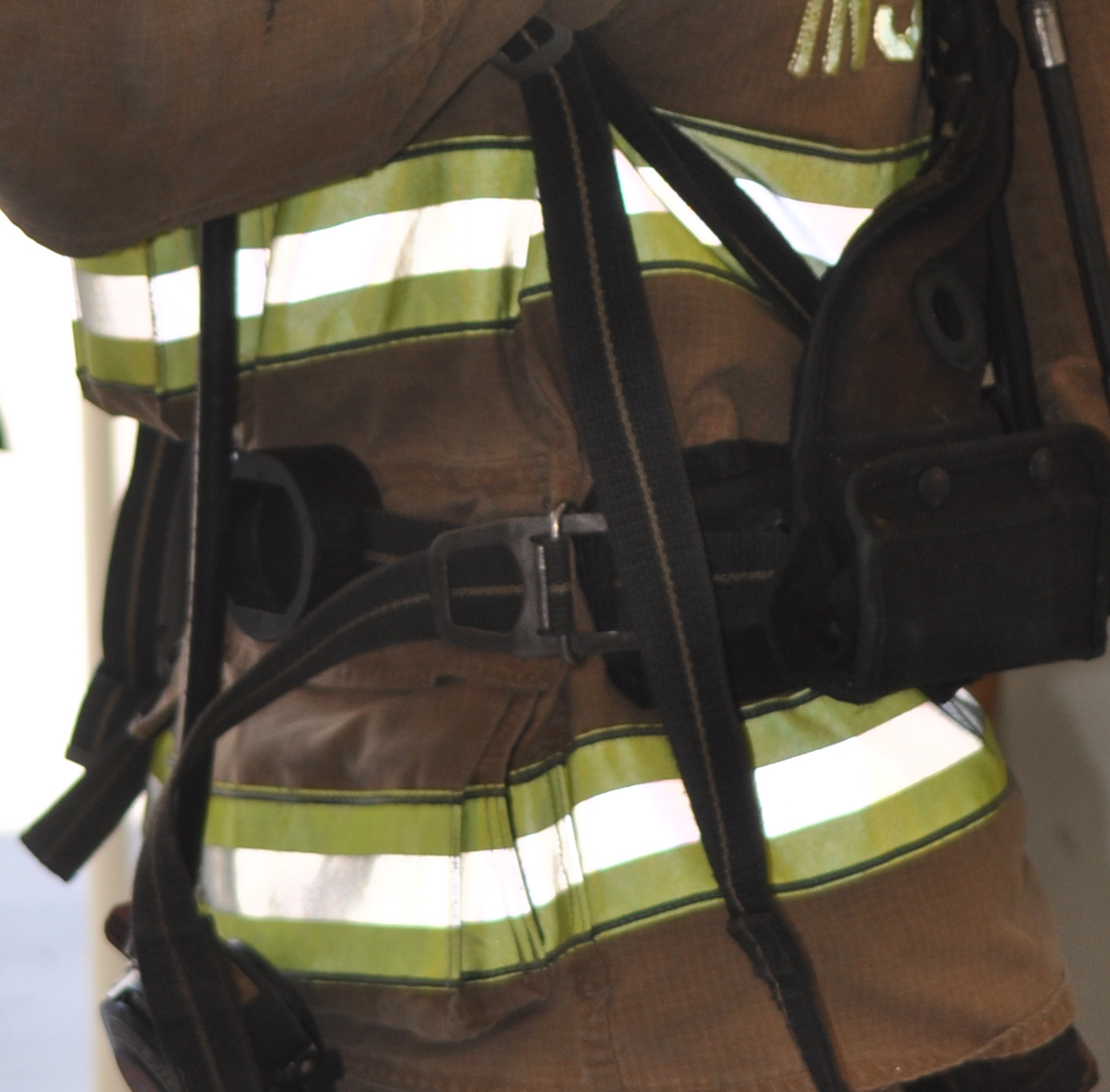
Most of the clothes have reflective tape so that the firefighter can be seen more easily through the smoke and low light/darkness. Some departments are large enough that they use color-coded reflective tape in order to tell the full-time firefighters and the volunteers apart.

The uniforms are sized to the individual firefighters, so that when they bend over, there is at least a two-inch overlap with the fabric pieces, and no skin is exposed to the crippling, blistering heat.

Hip boots of years ago, are now old school because of the area of the body they left unprotected from heat. Now the boots have steel toes and shanks and are calf high or knee high in length.

When fully dressed, the firefighter is wearing about 70 pounds of equipment. Add more weight for the tools they have to carry – picks, axes, etc – needed to fight the fire.

After ten years, all turnout gear must be thrown away. It wears out because of repeated exposure to the intense heat and toxic elements. Many large, active fire departments dispose of the clothing after only five years, because of their more frequent use and improvements in technology.

Firefighting gear is not fireproof. It is fire retardant.

Some of the clothing has 3 layers, each layer performing a different function. People can only tolerate temperatures to 135 degrees, so the specialized fabrics extend the time available to do the job. Firefighters get very uncomfortable at 250 degrees, and the time limit for the firefighter at that point is about 30 seconds to reach someone and get out. One of the firefighters at Command keeps track of the men/women – where they are in the structure and how long they’ve been working the fire.

Nomex degrades at 400 degrees, so needs to be used in addition to other fabrics if fighting a structural fire. It tends to split when the wearer is running. When combined with Kevlar, it becomes more flexible and the fabric breathes a bit better.

PBI degrades at 1100 degrees, allowing a much better chance for the firefighter to stay safe while fighting a house blaze. It stays intact in the extreme temperatures and allows the firefighter extra time to get to a victim and then get out.

Gortex helps shed water.


Heat goes through each layer a bit at a time. Each layer is a necessary barrier, in its place to protect the firefighter and keep his body from getting hotter than is safe.

After fires, all of the clothing needs to be taken apart and washed, because everything in a fire is carcinogenic. Hmm…that means that the entire time a firefighter is working the fire, his equipment has to protect him from the flames and the smoke, as well as anything else thrown into the air, both in the active fire and in the area outside the building.

Some fire Captains insist that the clothing be stored away from the sleeping area at the station, because it may still contain toxins even after being washed. If you get a chance to visit a Fire Station, you might be able to tell where the gear is kept, before you ever reach the room. The smoky odor is sharp and unforgettable.

Cost of Basic Turnout Gear (approximate)

  • Pants, jacket, gloves – $1,150.
  • Boots – $175.
  • Helmet – $150.
  • Nomex hood – $60.
  • PASS device – $300.
  • Airpack with mask – $4,500.


Tim Fitts told us about the testing going on at NC State’s College of Textiles, in the search for better, more effective, fire retardant fabrics.

To see a demonstration of how a firefighter’s uniform reacts to fire, click here for NC State’s PyroMan video:

https://textiles.ncsu.edu/tpacc/heat-and-flame-protection/pyroman

Every second counts when rescuing you or your pets in a fire. We know that a simple house fire can fully engulf an 8’x10’ room in 90 seconds. That’s not a typo. If the firefighters are on the scene before that happens to the entire house, they need as much lead time as possible in order to keep a rescue operation from becoming a recovery operation. That’s when the best turnout gear on the market is worth every dime.

*Photos by Patti Phillips, taken at Guilford Technical Community College, NC, during Writers’ Police Academy.

Thanks to Tim Fitts for generously sharing his knowledge and expertise. As of this writing, Tim, a veteran firefighter and Fire Occupational Extension Coordinator at GTCC, was in charge of all Con Ed certification and non-certification classes in Fire and Rescue subjects to members of NC fire departments and rescue squads. Any errors in fact are mine, not his.

If you’re curious about what it takes to qualify for Firefighter Training, read “How do you become a firefighter?


KN, p. 119 “What does a firefighter wear?” Read More »

KN, p. 225 “Is that poison in your tea?”

If there are no paragraph separations in this article, please double-click on the title to create a more readable version.

Our local TV station provider has one channel dedicated to movies from the late 1940s, 50s and 60s – mostly westerns and mysteries. Last week, a screening of “Arsenic and Old Lace” was in the listing, so we grabbed some snacks and settled in for an evening of murder most nefarious, with a side of laughter.

After discovering a body in his aunts’ house, the sweet little old ladies reveal to their nephew (played by the horrified Cary Grant) that they had spiked their dead guest’s elderberry wine with arsenic, strychnine, and a “just a pinch of cyanide.” And there are more bodies in the cellar.

“Arsenic and Old Lace” was a hit on Broadway in the early 1940s before making it to the big screen, where it became a success as well.

There are several other popular movies that have featured poison as a method of dispatching the victims, but instead of the tried and true ASC (arsenic, strychnine, and cyanide) combo, employ poisonous mushrooms. The victims eat their way to nausea, gastric distress, and death, instead of drinking a ‘lovely’ cup of ‘tea.’

1971’s “The Beguiled” (remake 2017): Confederate soldier takes refuge at a girl’s school, but when he betrays two of the women, he is fed toxic mushrooms.

2017’s “Phantom Thread”: dress designer falls in love with the wrong woman. She makes him toxic mushroom tea, nurses him back to health, and when he doesn’t do what she expects, cooks him a mushroom infused meal. He remains sick enough for her to control him.  

Important dating rule to remember: if your girlfriend cooks for you, always treat her well.

Mushroom poisoning symptoms range from the less severe upset stomach to renal failure and death, which may take days. It all depends on which mushroom is chosen for the deed. Agatha Christie had her favorite chemical poisons in her books and selected them according to whether or not the poison was readily available to the criminal and how much time was needed for the bad guy to get away. Read “What poisons were in Agatha Christie’s books?” here.

All poisonous mushrooms cause vomiting and abdominal pain. Testing and experience has shown that mushrooms causing symptoms within two hours are less dangerous than those that cause symptoms after six hours.

Other movies with poisons in the forefront:

In 1949’s “D.O.A.” (remake 1988): a man, lethally poisoned, rushes around trying to find out who poisoned him and why.


“The Young Poisoner’s Handbook” (1995) was based on a real case. TheTeacup Murderer kills two of his co-workers by poisoning their tea with thallium, a highly toxic ingredient used at the camera factory where he works. He continues to select and at least sicken targeted people until new cups are put in place, confusing his plan.

I mentioned “White Oleander,” a movie from 2002, in Kerrian’s Notebook, Volume 2: Fun, Facts and a Few Dead Bodies. Oleanders grow all over the southern United States, so it’s a really good idea to stay on great terms with that neighbor with the oleander hedges. Don’t bug her about returning the weed whacker. Seriously.


Photo credits: taken by Patti Phillips in Cameron, NC.


KN, p. 225 “Is that poison in your tea?” Read More »

Scroll to Top