safety

KN, p. 252 “Tasers and Stun Guns”

If there are no paragraph separations in this article, please double-click on the title to create a more readable version.

TASER devices and stun guns each have slightly different functions, but the common purpose is to shock the aggressor and allow time to move strategically for improved control over the situation, without using lethal force. A TASER can be shot from a distance, and a stun gun requires direct contact with the attacker.
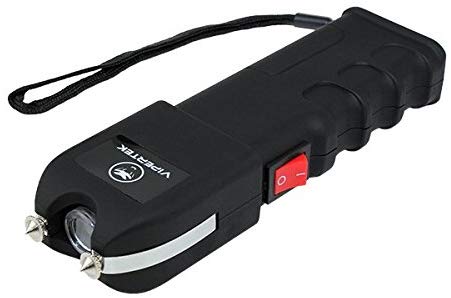
 

Stun Gun


This stun gun has sharp points which might pierce clothing and will even set off an electric charge if somebody tries to grab it.


Other stun guns resemble cellphones, while another type looks just like a mag light. Neither has great power, so in order to get close enough to use it effectively, an attacker may be able to get the upper hand against an untrained civilian. Some stun guns are in the shape and length of a baton (12-19 inches) allowing the user to be a step or two away, rather than just at arm’s length.


In many states, law enforcement groups have been using stun guns to subdue targets for years. Pepper spray occasionally blows back at the user, so private citizens sometimes opt for using a stun gun as a self-defense tool.


Designed in the 1960s for use in tight spaces (inside airplanes) when firing a gun would be especially dangerous, a Taser is considered a safer (non-lethal) alternative to a handgun if used correctly. Concerned about a rise in gun-related injuries during arrests or captures, some law enforcement jurisdictions around the country have required that Tasers and/or stun guns be added to their officers’ equipment belts, giving the officer a choice in tense or escalating situations.


Taser and cartridge

How does a Taser work? The cartridge contains 15-20 foot wires with probes attached at the end. The wires shoot out when the weapon is used. When the probes reach the target, they deliver a shock as well as pain, but this will only happen if both probes insert into the person’s body. In general, the person loses muscle control when hit with the probes, making an arrest easier or allowing the officer to stop an ongoing attack.


There are a variety of Tasers on the market, some of which guarantee contact even through clothing. Some recent Taser models also include the stun gun feature so that the prongs don’t have to be fired during every use.


One criticism of some Tasers is that they can misfire, causing real problems for the officer during an attack. The LATimes ran an article about the issue, comparing effective use in successive years:


https://www.latimes.com/local/crime/la-me-lapd-tasers-20160401-story.html?utm_campaign=meetedgar&utm_medium=social&utm_source=meetedgar.com&fbclid=IwAR17l2SVeCW7idV6PJVIm3nzh-U-jkmIh0bqVSfcFi_UoZlIp7xFXTwtaKs


Less critical, but potentially disturbing to a civilian Taser owner, is that storage in the home might become an issue. A curious friend or neighbor happening upon the Taser might fire it ‘just to see what it does.’ If it happens to misfire accidentally, somebody could get hurt. Burn marks on floors and ceilings from mis-firing have been reported by Kerrian followers, even when the Tasers have been handled properly. (True story)


Expense is a factor. Stun guns usually cost between $10 and $30. TASER devices have a lot more power and are a lot pricier because of that – running anywhere between $450 to $1,100. If the department in a town of 100,00 people has 180 officers working in the field and the units cost a minimum of $450 each – do the math. That’s an initial hit to the city budget of $81,000 and that’s before the replacement cartridges, etc. Each time the Taser is fired, it needs to be recharged and in some cases, a new cartridge must be inserted – at a cost of between $25 to $35 each.


Need to replace the Kevlar vests this year (a necessity every five years) or get that new million dollar fire truck the city needs so badly? Even if the Taser (or stun gun) is a great idea, the budget may not be able to handle it. So, if your town’s officers would like to have that option available to them, grants and donations from local law enforcement supporters may need to be sought out.


Legality

As of 2018, four states required background checks for Taser ownership.

  • Illinois
  • Maryland
  • Massachusetts
  • Minnesota


Two (2) states where Tasers and stun guns are completely banned for use for anyone other than law enforcement:

  • Hawaii
  • Rhode Island


But, most states do not regulate the purchase of Tasers or stun guns. That means no training requirements, background checks, or paperwork. Anyone in those states can buy and use them for self-defense. In many states, it is illegal to carry a concealed stun gun outside of your own home, and specifically illegal to carry it on school property. In some jurisdictions, stun guns are considered dangerous or deadly weapons, and as such, fall under those laws. Deadly weapons are generally banned from:

  • parades
  • funerals
  • public demonstrations
  • government buildings


It’s important to note about ownership of either a stun gun or a Taser or a combo of the two:


If someone falls and suffers a heart attack or other injury during the commission of a crime after being shocked with a stun gun or Taser, there are serious consequences. Instead of seeing its non-lethal purpose, the court may conclude that the tragic result came from the use, not the intent. i.e. the person might not have had the heart attack if not for being Tasered. If that happens, we now have a deadly weapon, and the legal concerns change under the law.


*Photos from Amazon


KN, p. 252 “Tasers and Stun Guns” Read More »

KN, p. 177 “Did she die of heatstroke?”

If there are no paragraph separations in this article, please double-click on the title to create a more readable version.

FrontSlopeShovelDSC_1154

It’s no secret that we’ve been doing a LOT of digging in the gardens this summer. The work can get hot and steamy, so we tend to start early in the morning. It’s not as humid and the bugs aren’t swarming in full force yet. Yesterday, I was delayed getting out there, so before I realized it, the sun was high in the sky, it was 95 degrees, I was really hot, and I was sweating something fierce.

And, suddenly thirsty. I was even a little dizzy and felt a headache coming on. As soon as I figured out what was happening, I dropped the tools and got myself inside. Sheila saw me ditch the shovel and headed in as well. I grabbed a cold, wet towel for my neck and she handed me some water. There was some scowling, but the crisis was averted.

What had happened? The heat got too much for me and I needed a tall, cool glass of water. I had left my golf cap inside, along with my bottle of water and my golf bandana, and I was paying for it. It didn’t get as far as heatstroke, but if I’d been at the golf course or the beach, and not 15 seconds from help, it could have.


The Mayo Clinic defines heatstroke:

“Heatstroke is a condition caused by your body overheating, usually as a result of prolonged exposure to or physical exertion in high temperatures. This most serious form of heat injury, heatstroke can occur if your body temperature rises to 104 F (40 C) or higher. Heatstroke requires emergency treatment.”

In the summertime, when temperatures reach in the high 90s on a regular basis, we will normally feel hot outdoors, so how do we know that there is a problem? Athletes, moms, dads, dogs, babies – everyone is vulnerable to heat stroke and we need to be aware of the symptoms.

Symptoms of Heat Stroke  Nobody I know carries around a thermometer, so aside from the high body core temp, symptoms can include:

  • Nasty headache
  • Dizziness
  • Lack of sweating
  • Red, hot, and dry skin
  • Muscle weakness or cramps
  • Nausea
  • Rapid heartbeat
  • Trouble breathing
  • Disorientation, or staggering

How do we prevent things from getting to that point? Especially if you or your friends are planning to be out hiking, working, or camping in the heat, far away from speedy help?

WaterBottleIMG_5643

Preventing Heat Stroke

  • Wear lightweight, loose-fitting clothing, and a hat.
  • Use a sunscreen with a sun protection factor (SPF) of 30 or more.
  • Drink water – a half ounce for each pound of body weight – if you weigh 150 pounds, you should be drinking 75 ounces of water – and that’s on a regular day with no exercise or extra heat involved.
  • Increase that amount if it’s hot outside or you are working/exercising outside.
  • Drink an extra bottle of water an hour before exercise, then during exercise, drink another 8 ounces of water every half hour, even if you don’t feel thirsty.
  • Shift your outdoor activities to the coolest times of the day, either early morning or after the sun goes down if you can. If not, make sure to follow the rest of the suggestions.

People die from heat stroke. That’s why we are warned not to leave children and pets in hot cars. When it’s hot outside, the heat in the car gets magnified by the windows, resulting in temperatures that can be 30 degrees hotter inside the car – a disaster waiting to happen.

Sporting events are times where people get caught up in the competition and forget to hydrate, sometimes with tragic consequences. At the time the article below was published, the softball player’s death was unexplained, but later pointed to heatstroke. What do you think?

http://weartv.com/news/local/questions-of-heat-stroke-raised-after-preteens-death

I always pack a bandana or ‘cold collar’ in my golf bag, wear a hat on the course, and take plenty of water with me. I got careless at the house, but that won’t happen again.

For additional information:

https://www.drugs.com/health-guide/heat-stroke-hyperthermia.html


*Photos by Patti Phillips


Save

Save

Save

Save

Save

Save

KN, p. 177 “Did she die of heatstroke?” Read More »

KN, p. 143 “On the Road – Hotel Safety”


Hotel1IMG_3872

Dead tired at the end of a long day on the road?

Can’t wait to fall into bed after a completely exhausting day in the sun or at the ball park or the festival?

Before your head hits the pillow in that hotel, remember to check a few things:

Room Security  Before going to sleep or leaving the room, make sure:

  • The hallway door is locked, bolted, and chained when staying in.
  • The door actually latches and the locks click into place every time you close the door.
  • The privacy card has been placed outside the door on the handle or inserted into the key card slot whether staying in or leaving to go to breakfast, etc.

Before opening the hallway door to anyone:

  • Check the peep hole in the door to see who is there – the staff is trained to stand back from the door so that you can see them.
  • Check ID of the person at the door while the door is still closed.
  • If unsure or suspicious of the person’s ID, call the front desk.
  • Don’t let the children answer the door. Chances are, they aren’t tall enough to see out the peep hole.

Keep your room key in your pocket/pocketbook while out of the room.

  • Don’t flash the key around or leave it on the restaurant table.
  • Thieves look for careless tourists at the resorts that still use actual keys.
  • Don’t tell strangers your room number or the name of your hotel.

FYI:

If you are concerned about leaving personal property/electronics/cameras in the room while you are out having fun, remember…

You don’t have to let the housekeeping staff do your room every day. You can place full trash cans in the hallway next to the door, get more towels from the housekeeping staff, and leave the privacy tag on the corridor door. If you don’t need more towels or coffee kits or need the sheets to be changed, then housekeeping will stay out of your room, and lessen the likelihood of strangers having access to your things. Am I paranoid? No, just the victim of theft by the housekeeping staff at two different major resorts. Using the room safe would not have been possible – not big enough.


Fire exits and safety tips

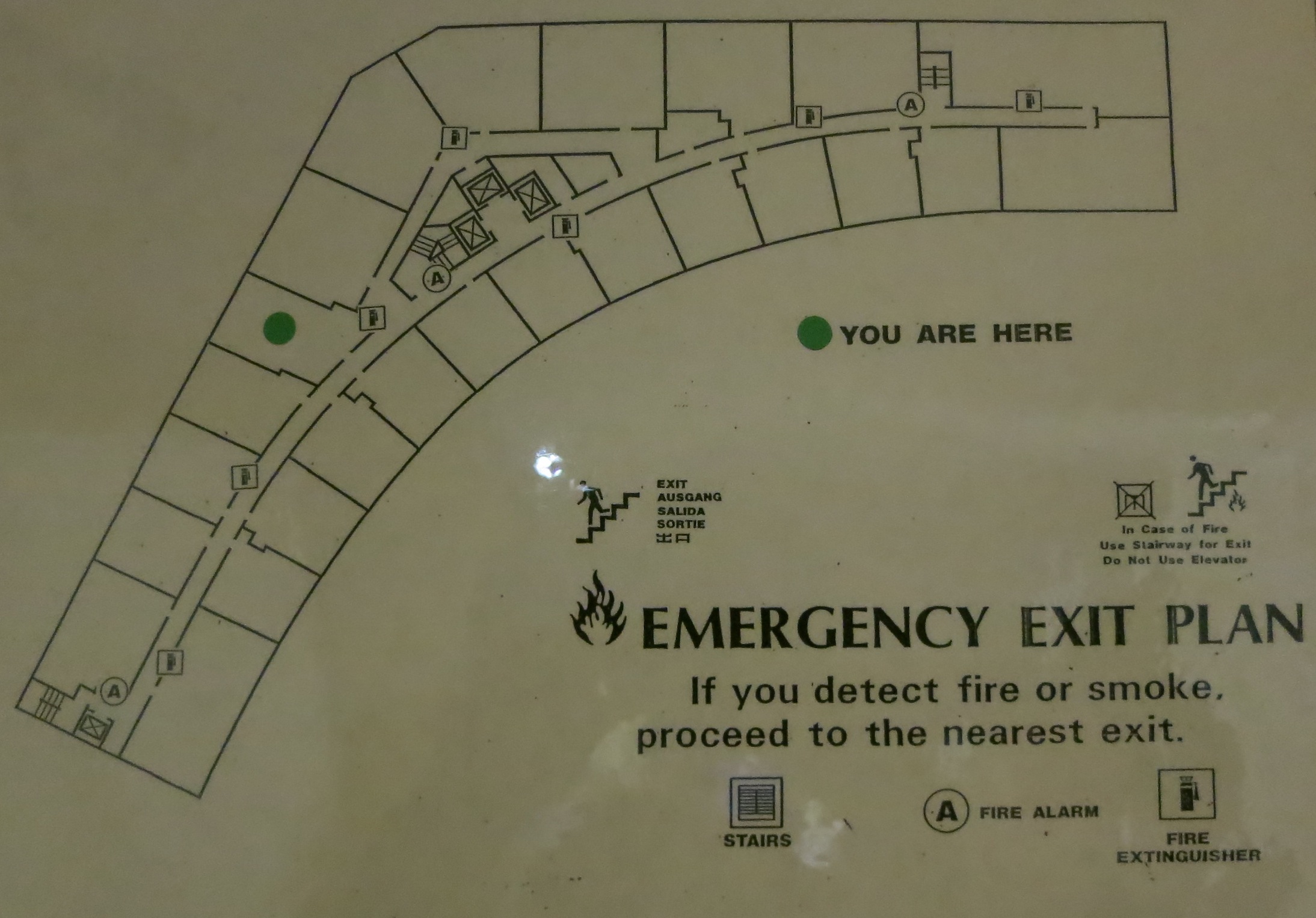
Major hotels display small floor maps on the back of the entrance door to your room. Check out the emergency exit route before you need it.

HotelFirePlanIMG_3811

These days, all hotels (even the local Bed & Breakfasts) should have fire sprinkler systems in place throughout the building in order to receive their permits to operate. Most also have smoke detectors in every room.

But, what do you do if you suspect a fire and no alarm has sounded?

  • Touch the hallway door to see if it is hot.
  • If it is cool, open the door carefully and look in the corridor.
  • If it’s clear, take your room key with you, close the door and get down on the hallway floor, making your way to the exit stairs, not the elevator.
  • If it gets smoky in the staircase, turn around and head up to another floor, then cross to a different staircase to head down and out.

What if you think the fire is right outside your door – raging between you and the exit route?

  • Touch the hallway door and if it is hot, stay put and call the operator.
  • If the hotel phone is not working, use your cell phone and call 911 and give the name of your hotel, and your room number.
  • Then fill the bathtub with water, wet the sheets and stuff them into the hallway door gaps and all the vents in the room that are sending out smoke.
  • Cover your mouth with a wet hand towel.
  • Try to stay calm and wait for help to come to you.

Be smart about your own security and you’ll have more fun on vacation!


*Photos by Patti Phillips


KN, p. 143 “On the Road – Hotel Safety” Read More »

Scroll to Top